
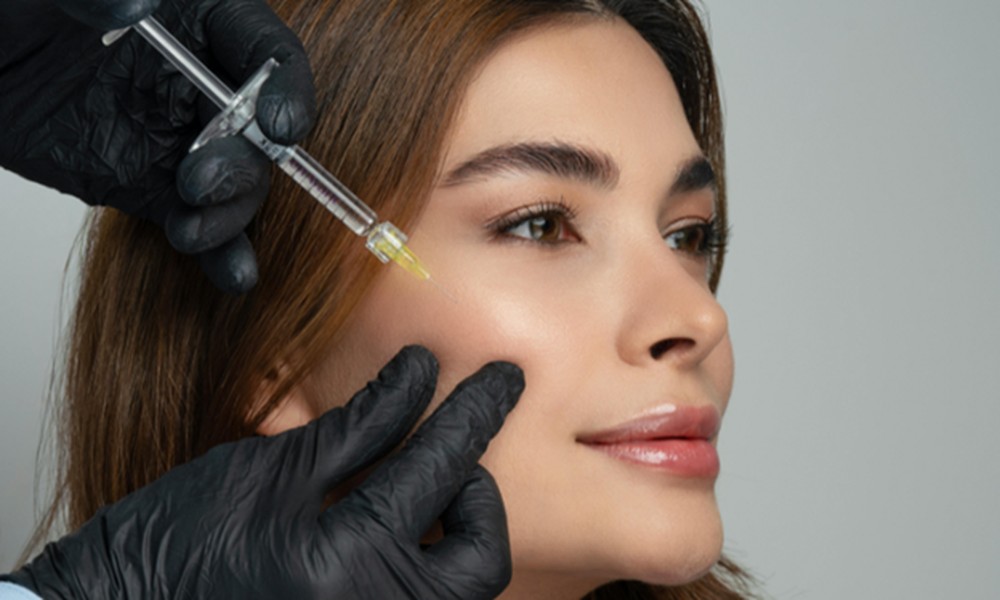
Botox® has a reputation problem. When it’s done well, you often can’t “see” it-you just notice someone looks more rested, less tense, or subtly refreshed. When it’s done poorly (or overdone), it can look stiff, heavy, or expressionless. The difference usually isn’t the product itself. It’s the plan, the dosing, the placement, and the follow-through.
If your goal is a natural look-still you, just smoother-these eight strategies will help you get there, along with exactly what to ask for.
1) Ask for “softening,” not “freezing”
A natural result starts with the goal you set. If you tell your provider you want every line gone, you’re more likely to end up with an over-relaxed look. Instead, ask for a subtle reduction in movement and a smoother appearance while keeping expression.
What to say:
- “I want to soften lines but still look expressive.”
- “I’d rather under-correct than over-correct.”
2) Start low, then build (“Baby Botox” approach)
One of the easiest ways to avoid looking overdone is to start with a conservative dose and reassess. Botox is not permanent, and you can always add more-especially after you see how your muscles respond.
What to ask:
- “Can we start with a conservative dose and do a tweak if needed?”
- “When should I come back for a refinement visit?”
This approach is especially helpful if it’s your first time, you’re nervous, or you have a big event coming up.
3) Treat muscle balance, not just wrinkles
Natural-looking Botox often comes from treating the right muscles rather than chasing every line. For example, forehead lines may be partly caused by how your brow muscles compensate for heaviness or tension elsewhere. A balanced plan considers the relationship between the forehead, glabella (the “11s”), and crow’s feet.
What to ask:
- “Which muscles are driving this expression, and how do we keep my brow shape natural?”
- “Will treating this area affect how my eyebrows sit?”
4) Be cautious with the forehead (it’s where “stiff” shows fastest)
If you’re worried about looking frozen, the forehead is usually the area where too much product becomes obvious. Over-treating can make the forehead look unnaturally smooth, lower the brows, or create a heavy-lid feeling for some people.
What to ask:
- “Can we keep some forehead movement?”
- “How do we avoid a heavy brow or ‘hooded’ look?”
A subtle forehead plan often pairs modest forehead dosing with thoughtful treatment of the frown area, depending on your anatomy.
5) Don’t ignore your “baseline”-bring photos of your natural expressions
A skilled injector reads your face in motion, not just at rest. Bringing a few photos (or letting them take photos) of how you look when you smile, frown, and raise your eyebrows helps guide placement and set expectations.
What to ask:
- “Can you assess my face in motion before deciding placement?”
- “Will you take before photos so we can compare accurately?”
This is one of the simplest ways to keep your results personalized and natural.
6) Choose timing wisely (and don’t do first-time Botox right before a big event)
Botox takes time to settle. Results generally start to appear within a few days and peak around 1-2 weeks. If you’re new to Botox, give yourself enough buffer in case you want a small tweak-or in the unlikely event you don’t love how it feels.
A good rule:
- First time: schedule at least 3-4 weeks before an important event.
- Experienced: 2+ weeks is often still a safe buffer.
What to ask:
- “When should I schedule this if I have an event on ___?”
7) Ask about micro-adjustments and follow-up policy
Natural results often come from small calibrations. People’s muscles respond differently, and one side can be stronger than the other. A provider who expects that and builds a follow-up into the plan is usually aiming for precision.
What to ask:
- “Do you offer a follow-up visit to fine-tune if one area needs a touch more?”
- “If I want it slightly softer or slightly stronger, what’s the best approach?”
8) Choose the right setting and practitioner, not the cheapest deal
When it comes to injectables, “natural” is a skill-anatomy knowledge, experience, and aesthetic judgment. You’re not just paying for the product; you’re paying for the plan and the hands delivering it. Discounts and bargain pricing can sometimes lead to rushed assessments, cookie-cutter dosing, or less individualized care.
What to look for:
- Clear consultation and facial assessment
- Discussion of risks and realistic outcomes
- A conservative, personalized plan (especially for first-timers)
- Transparency about what’s being used and why
If you’re comparing options, prioritize a reputable dermatologist clinic that emphasizes subtlety, safety, and individualized facial assessment over quick turnover.
A final note: “Natural” should still look like you
A subtle Botox result doesn’t erase your personality. It should reduce harsh tension (like deep frown lines), soften repetitive creasing, and help you look rested-while still letting you emote. The best outcomes come from clear communication (“softening, not freezing”), conservative starting doses, balanced muscle treatment, and a provider who’s willing to refine thoughtfully.
If you want, I can also turn this into a guest-post version with a shorter intro, punchier list items, and a single CTA paragraph at the end.
