
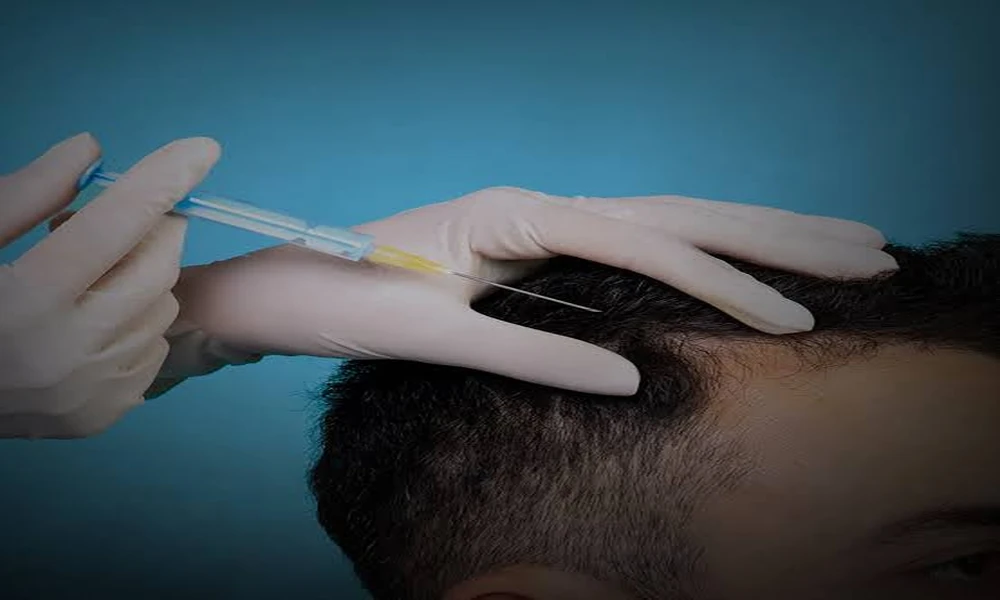
When a man or woman considers a hair transplant, it is an exciting moment for them, as they are on the verge of recovering their lost hair. From a receding hairline to thinning crown or even a major balding area, a hair transplant can provide a lasting remedy that not just restores hair but additionally restores confidence. But the uncertainty is one of the most prominent concerns of patients.
It’s completely normal to ask questions before surgery, such as, “What happens before the surgery?”, “Will the surgery be uncomfortable?”, and “How much time will I need to recover?” To feel more prepared and confident about the Hair Transplant in Jaipur process, it is best to understand the entire journey, from consultation to the final results.
Before the Hair Transplant: The Planning Phase
There are some people who believe that a hair transplant starts the day of the transplant. In fact, the most critical work is often before the procedure begins.
Understanding Your Hair Loss Pattern
The first step is to determine what type of hair loss you are experiencing. The treatment for thinning hair can vary from one person to another. A specialist will assess:
- Hair loss progression
- Family history
- Donor hair quality
- Existing hair density
The long-term goals of hair restoration. The assessment is done to see if you are a good candidate and the level of results that can be expected.
Setting Realistic Expectations
The focus of the good consultation is education and not promises. There will be a conversation regarding:
- Expected density
- Hairline design
- Recovery timeline
- Future hair loss
- Long-term planning
Excessive expectations lie outside of what is medically feasible, so the best results happen when expectations and what is medically possible are matched.
Donor Area Evaluation
The whole procedure depends on your donor area.
The surgeon will evaluate:
- Hair density
- Hair thickness
- Scalp flexibility
- Overall donor availability
This is important because the donor area will dictate the amount of hair that can be removed from the area safely.
Preparing for Surgery
You may be provided with instructions in the days prior to the procedure on:
- Hair washing
- Lifestyle habits
- Medications
- General scalp care
The following suggestions will help make the procedure as smooth as possible.
What’s Happening During Surgery?
For many patients, the day of surgery is not as scary as they had thought. Hair transplant is not a hasty surgery, but a planned and meticulous process. Consultation upon arrival and at the conclusion of the course. The surgical staff usually checks in with the following before the procedure starts:
- Treatment goals
- Hairline design
- Number of grafts
- Procedure plan
This is usually your last chance to raise questions and make things clear.
Hairline Design
The most important time of the day is hairline planning. When designing a hairline, you should take into account:
- Facial structure
- Age
- Existing hair pattern
- Future hair loss
This step involves medical knowledge and artistic judgment.
The Procedure Begins
After the area to be treated is prepared, donor follicles are carefully harvested. These are the things that are still to be emphasized:
- Preserving donor density
- Protecting follicle health
- Maximizing graft survival
Once harvested, the follicles are processed and packaged for transplantation.
Graft Placement
This is where the changes start. Each grafting is wisely inserted for the purpose of providing:
- Natural direction
- Proper angulation
- Balanced density
- Realistic growth patterns
This can be a very time-consuming and exacting stage as each hair strand will make a difference to the result. A totally unexpected comfortable experience. A common misconception about hair transplant is that it is very painful.
Immediately After Surgery
The procedure may be complete, but the journey is just beginning. The first few days are critical to good recovery. Everyone should notice and feel:
- Mild redness
- Temporary swelling
- Small scabs
- Slight tenderness
These are normal aspects of healing, and they typically get better over time. The newly transplanted grafts should be protected from the following: Transplanted follicles are fragile in the first healing period.
Patients are usually encouraged to:
- Refrain from touching the grafts unless necessary
- Please use the cleaning instructions carefully.
- Avoid injuring the scalp
- Attend scheduled follow-ups
- Correct management maximises the chances of graft survival.
The First Month: Patience Becomes Important
During the first month, many patients are worried because of the beginning shedding of the transplanted hairs. This can make you quite surprised if you’re not expecting it. It is normal for dogs to shed.
Temporary Shedding Is Normal
These are all natural processes of the hair growth cycle. Importantly:
- The hair shaft drops out, and the hair follicle lives on beneath the skin.
- This is a transitory state, and not a failure of the transplant.
- It is actually a sign that the follicles are going to the next stage of growth, in fact.
Months 2-4: The Quiet Phase
This is the time that may need the most patience.
The passage of a few weeks might not show any visible change. Some patients even question if the treatment is effective. Under the hood, though, the follicles are slowly adapting to their new surroundings and getting ready for growth.
Months 4-6: New Growth Begins
At this point, many patients begin to experience positive results. New hairs start to grow and slowly become thicker. During this stage:
- Hair coverage improves
- Density begins developing
- After a few weeks the transplanted area begins to fill in.
The adjustments may not be drastic, but they can sometimes give a false sense of confidence that things are moving forward.
Final Thoughts
When undergoing a Hair Transplant in Jaipur, it is crucial to know what lies ahead of you before, during, and after the procedure to make it less daunting. The results from a hair transplant do not happen immediately; it’s a gradual process that takes place over a couple of months. Each step from consultation to design, to recovery and long term growth is a crucial step toward a natural look.
The Hair Transplant Cost in Jaipur is definitely a consideration, but the most crucial investment is made in selecting the clinic that emphasizes planning, expertise and long term results. By setting realistic expectations and taking care of them, a hair transplant can not only fill in the missing hair but also give years of confidence as well.
