
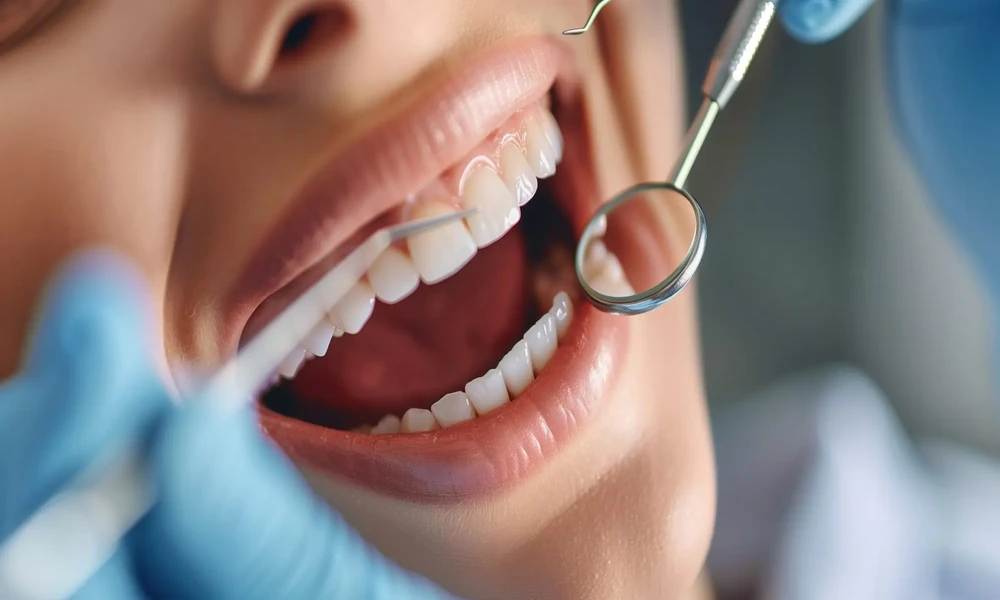
You might be thinking about a brighter smile, straighter teeth, or small cosmetic fixes that help you feel more like yourself again, and at the same time, you may be wondering why a family dentist in San Mateo keeps talking about brushing, cleanings, fluoride, and gum health first. It can feel like a delay when you are ready for visible change now. Still, there is a good reason for that pause. When the foundation of your oral health is strong, cosmetic work tends to look better, last longer, and create fewer surprises.
If you want the short version, here it is. A prevention first approach protects enamel, supports healthy gums, lowers the risk of decay under cosmetic work, and often saves time and money over the long run. That is why many people get the best results when they treat prevention as the first step, not an afterthought.
Why does prevention matter so much before cosmetic dental care?
Cosmetic treatment is not just about color or shape. It depends on the health of the teeth and gums underneath. If plaque is building up, if the gums are inflamed, or if early decay is starting, even beautiful cosmetic work can be harder to place and harder to maintain. So, where does that leave you if you want both health and appearance? In a better position than you may think, because prevention supports both.
Reason one is that healthy enamel creates better whitening and bonding results. Whitening products work on natural tooth structure, and bonding materials need a clean, stable surface. If enamel is weakened or covered by buildup, the outcome may be uneven. Good daily care, along with guidance from a general and family dentist, helps create the conditions cosmetic dentistry relies on.
Reason two is that gum health shapes the look of your smile. Many people focus on teeth alone, but swollen or receding gums can change the whole appearance of a smile. They can make teeth look too short, too long, or uneven. According to the CDC’s information on gum and periodontal disease, gum disease is common and can quietly progress if it is not addressed. If you are planning veneers, whitening, or contouring, healthy gums help frame those results in a natural way.
Reason three is that prevention lowers the chance of hidden problems under cosmetic work. Imagine getting bonding or veneers placed over teeth that already have early decay. At first, everything may look fine. Then discomfort starts, or the work needs to be removed so the underlying issue can be treated. That is frustrating, expensive, and avoidable in many cases. A prevention first dental approach helps catch small issues before they grow into bigger ones.
Reason four is that prevention usually helps cosmetic results last longer. Even well done cosmetic work still depends on your daily habits. Brushing, flossing, routine exams, and fluoride all help protect the teeth around restorations and keep your smile looking fresh. The National Institute of Dental and Craniofacial Research offers practical guidance on oral hygiene habits that support long term oral health and appearance.
What can happen when cosmetic goals come before basic dental prevention?
It is easy to understand the temptation. If a stain bothers you every time you look in the mirror, or if a chipped tooth has made you self conscious for years, you may want the fastest visible fix. But moving too quickly can create a cycle no one wants. You fix the surface, then a cavity forms nearby. You whiten the teeth, then gum irritation makes the smile look uneven. You invest in cosmetic care, then learn that untreated grinding or weak enamel is shortening the lifespan of the result.
This is one reason many dentists talk about preventive dental care for cosmetic results rather than treating prevention and aesthetics as separate goals. They are connected. The better the health of your mouth, the more predictable the cosmetic outcome tends to be.
How does a prevention first plan compare to a cosmetic only mindset?
Sometimes it helps to see the difference side by side. Prevention does not replace cosmetic treatment. It strengthens it.
| Approach | Short Term Result | Long Term Impact |
|---|---|---|
| Cosmetic treatment without addressing plaque, decay, or gum issues | Faster visible change | Higher risk of uneven results, sensitivity, repairs, or retreatment |
| Professional cleaning and exam before whitening or bonding | Cleaner surface and more accurate treatment planning | Better appearance and fewer hidden problems |
| Fluoride support for patients at risk of decay | Extra protection for enamel | Lower chance of cavities affecting cosmetic work, as explained by the CDC’s page on fluoride and cavity prevention |
| Routine follow up with a family dental provider | Ongoing monitoring | Cosmetic results often last longer with regular maintenance |
What steps can you take right now if you want a better looking smile?
1. Start with a full checkup, not just a cosmetic wish list.
Ask what is healthy, what needs attention, and what can wait. This helps you separate urgent problems from appearance concerns so you can build a plan in the right order.
2. Clean up the basics before choosing cosmetic treatment.
If you have bleeding gums, heavy tartar, dry mouth, or frequent sensitivity, address those first. Small improvements in daily care can change how your smile looks and how well future treatment performs.
3. Ask how to protect your results after treatment.
Whether you are considering whitening, bonding, or other smile improvements, ask what habits will help those results last. The answer may include fluoride, night guards, better brushing technique, or more regular maintenance visits.
So, what is the real takeaway for your smile?
You do not have to choose between a healthy mouth and a beautiful smile. In many cases, the best cosmetic outcome starts with the least flashy step, which is prevention. When you protect enamel, support gum health, and catch problems early, you give any future cosmetic work a stronger base. That usually means better appearance, more comfort, and fewer setbacks.
If you have been thinking about improving your smile, it may help to begin with the basics and build from there. A trusted dental provider can help you decide what to treat first, what cosmetic options make sense, and how to protect your results over time.
