
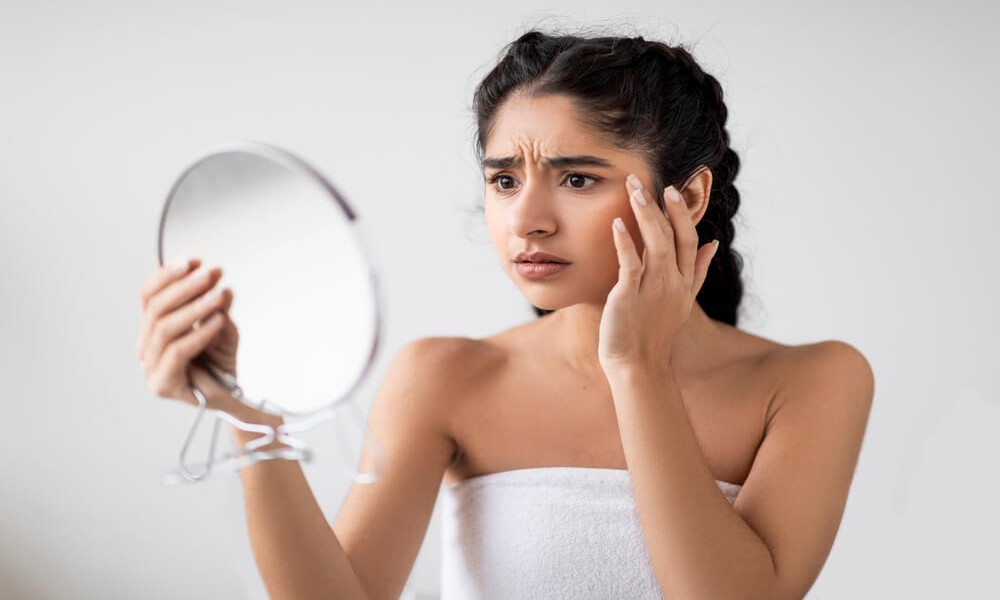
That serum that changed your life in January feels useless by June. You are not imagining it. The science behind skincare plateaus is real, and the fix is simpler than the beauty industry wants you to believe.
It happens like clockwork. A new product enters the rotation. The first few weeks are electric. Skin looks brighter, smoother, more alive. Friends ask what changed. The mirror feels friendlier. And then, somewhere around month three or four, the magic fades. The skin looks fine, maybe even good, but the dramatic improvement has leveled off. The product that once felt transformative now feels like it is doing nothing at all.
The instinct is to blame the product. It “stopped working.” Time to switch to something new, chase the next miracle ingredient, restart the cycle. The beauty industry loves this instinct because it drives repurchasing and product hopping at a pace that benefits retailers far more than skin.
But the product did not stop working. The skin changed its relationship to the product. And understanding that distinction is the difference between an effective long term skincare strategy and a very expensive hamster wheel.
The Biology Behind the Plateau
Skin operates on a roughly 28 day turnover cycle in younger adults, slowing to 40 to 50 days by middle age. When a new active ingredient is introduced, it meets skin that has been operating without that input. The initial response is often dramatic because the skin has a backlog of issues that the ingredient addresses all at once.
Retinol is the clearest example. When someone starts using retinol for the first time, the acceleration of cell turnover produces visible results within weeks. Dullness clears. Texture smooths. Fine lines soften. Pores appear smaller. The improvement can be striking because the skin was operating well below its potential, and the retinol pushed it toward a new baseline.
But once that new baseline is reached, the rate of visible improvement slows down. Not because the retinol stopped doing its job, but because the most obvious gains have already been captured. The retinol is still accelerating turnover, still stimulating collagen, still doing everything it was doing before. The results are now maintenance rather than transformation, and maintenance is invisible by definition.
The American Academy of Dermatology describes this phenomenon in the context of multiple active ingredients: initial improvements tend to be rapid and visible, while ongoing benefits shift to preservation and prevention, which are harder to perceive in the mirror on a daily basis.
Habituation vs. Tolerance (They Are Different Things)
The beauty industry uses “skin gets used to products” as a catch all explanation, but there are actually two distinct mechanisms at play, and they require different responses.
Perceptual habituation is psychological. The brain adapts to the improved appearance and recalibrates its expectations. What looked dramatically better three months ago now looks normal because it has become the new reference point. The skin did not change. The perception of it did. This is the same cognitive mechanism that makes a new car feel exciting for three months and then feel like just a car. Nothing about the car changed. The novelty wore off.
True physiological tolerance is rarer but does occur with certain ingredients. The skin can downregulate receptor sensitivity in response to repeated chemical exposure. This is documented most clearly with benzoyl peroxide for acne treatment, where bacterial resistance can develop over time, and with certain concentrations of alpha hydroxy acids where the skin builds tolerance to the exfoliating effect. Research published in the British Journal of Dermatology has documented that some active ingredients do show diminishing clinical response curves over extended use, though the effect varies significantly by ingredient and individual.
The critical difference: perceptual habituation does not require product changes. Physiological tolerance sometimes does. Knowing which one is happening prevents unnecessary product hopping that can actually destabilize the skin.
The Ingredients That Plateau and the Ones That Don’t
Not all skincare actives behave the same way over time. Understanding the category helps set expectations.
Retinoids (retinol, tretinoin, adapalene) produce dramatic early results followed by a long, slow maintenance phase. They do not stop working. The visible improvement curve simply flattens after the initial correction. Increasing concentration can reignite visible results, but this should be done gradually and ideally under professional guidance to avoid barrier damage.
Vitamin C serums provide antioxidant protection and brightening. The initial glow comes from addressing accumulated oxidative damage and surface dullness. Once that backlog is cleared, the ongoing benefit is protective rather than corrective. The serum is still neutralizing free radicals every day. It just does not produce a visible “wow” moment after the first phase.
Hyaluronic acid and ceramides work on hydration and barrier integrity. These tend not to plateau because their mechanism is immediate and physical rather than cumulative. Each application delivers moisture. The effect is consistent rather than front loaded.
Chemical exfoliants (AHAs, BHAs) are the category most likely to produce genuine tolerance. The skin can adapt to a given concentration over months, reducing the turnover acceleration that created the initial improvement. Cycling between different acids or periodically increasing concentration can address this, but over exfoliation is a real risk that produces worse results than the plateau it was trying to fix.
Niacinamide operates on multiple pathways (barrier support, oil regulation, brightening, anti inflammation) and tends to deliver steady, undramatic results rather than a boom and plateau pattern. It is one of the most consistent performers over time precisely because it never creates the “overnight transformation” expectation in the first place.
The Comparison Trap
Social media has created a uniquely distorted reference point for skincare results. The before and after photos that generate the most engagement are the most dramatic ones, which are by definition the least representative of typical outcomes.
A person who starts a retinol routine and sees genuine, meaningful improvement in skin quality over six months may feel like the product is “not working well enough” because the improvement does not match the transformations they see posted online. The comparison is fundamentally unfair because the posted results are curated for maximum visual impact, often enhanced by lighting differences between the before and after shots, and sometimes represent the top one percent of outcomes.
Real skincare progress is usually slow and cumulative. The person who sticks with a consistent routine for a year often cannot see the improvement because it happened gradually. But a side by side photo from January to December tells a different story than the mirror does day to day.
What Actually Works When Results Stall
When a plateau hits, the temptation to overhaul everything is strong. Resist it. Wholesale routine changes destabilize the skin and make it impossible to identify what is actually working.
Instead, consider targeted adjustments. Increasing the concentration of a single active (moving from 0.25 percent retinol to 0.5 percent, for example) can restart visible improvement without disrupting the rest of the routine. Adding one new active that targets a different pathway, like introducing vitamin C in the morning alongside an existing nighttime retinol, creates a complementary effect rather than a replacement.
Professional treatments can break through plateaus that topical products cannot. A single session of microneedling, a professional grade chemical peel, or a laser treatment creates controlled injury that restarts the wound healing cascade and makes the skin more receptive to topical actives for weeks afterward. The Skin Cancer Foundation emphasizes that professional treatments should complement rather than replace a consistent daily routine, and that the most significant long term results come from the combination of both. This is also why women preparing for weddings or major events often see the best results when they follow a structured skin prep timeline that layers professional treatments with daily actives over several months rather than panic buying new products the week before.
Taking periodic breaks from potent actives, sometimes called “skin cycling,” allows receptor sensitivity to reset. Using only gentle, hydrating products for a few days per week gives the skin recovery time and can restore responsiveness to the actives when they are reintroduced.
And sometimes, the most productive thing to do is nothing. Accept that the routine is working, that maintenance is the goal, and that the absence of visible daily improvement is actually evidence of stability rather than failure.
The Long Game Wins
The women with the best skin at 50 and 60 are not the ones who chased every new product and switched routines quarterly. They are the ones who found a core set of effective ingredients, stuck with them through the boring maintenance phase, protected their skin from the sun daily, and made targeted adjustments when genuinely needed rather than when marketing told them to.
Skincare is a long game. The plateau is not the end of progress. It is the beginning of the phase where real, lasting protection is happening beneath the surface, even when the mirror stops applauding every morning.
Trust the process. Adjust with precision, not panic. And remember that the product that feels like it stopped working is often the product that already did its job.
