
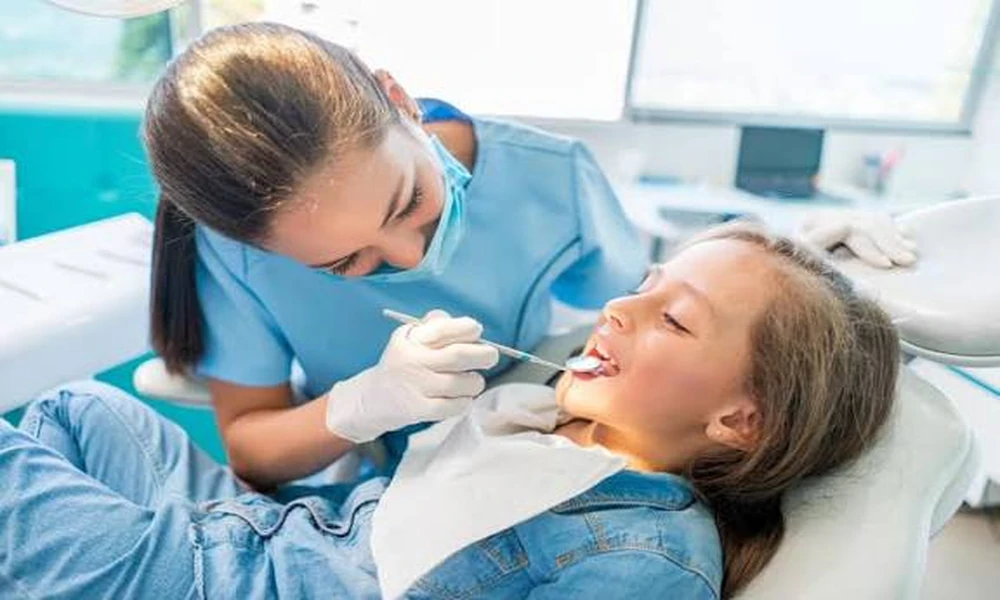
You notice it at dinner first. Your child takes a bite, pauses, shifts food to the other side of the mouth, then says it hurts or feels weird. A loose tooth should be a normal part of growing up, but when a wiggly baby tooth starts getting in the way of eating, it can turn a simple meal into a struggle. You may be wondering whether to wait it out, help the tooth along, or call a pediatric dentist at Children’s Dental FunZone in Greater Los Angeles.
Most loose baby teeth come out on their own and do not need treatment. The trouble starts when the tooth is hanging on just enough to catch food, hurt the gums, or make your child avoid eating. That can lead to cranky evenings, slow meals, and a lot of stress over something that seems like it should be simple. In many cases, soft foods, gentle cleaning, and a little time are enough. If there is swelling, bleeding that does not stop, pain that keeps getting worse, or signs of injury or infection, a dental visit makes sense.
A loose baby tooth can interfere with eating in small but frustrating ways
A loose tooth does not always hurt. Sometimes it just feels unstable, and that alone can make chewing hard. Kids often describe it as “funny,” “scratchy,” or “stuck.” They may stop biting into apples, toast, or meat because pressure on the tooth makes them nervous. Younger children may not explain it well. You just see them eating less, chewing slowly, or refusing foods they usually like.
The problem can build on itself. Food gets trapped around the loose tooth, the gum becomes sore, and then brushing feels unpleasant too. If your child starts skipping good brushing because the area is tender, that can add more irritation. Guidance from MedlinePlus on baby teeth explains that primary teeth matter for chewing, speaking, and holding space for adult teeth, so even though they fall out, they still deserve attention while they are there.
Sometimes the tooth is not just naturally loose. A bump to the mouth, teeth grinding at night, or inflammation around the gums can make the area more sensitive. If your child clenches or grinds, the pressure may make an already loose tooth feel worse by morning. The NIH overview of bruxism explains how grinding can affect teeth and jaw comfort, which is useful if the soreness seems strongest after sleep.
Knowing when a wiggly tooth is normal and when it needs attention
A wiggly baby tooth is usually part of the normal timeline. Lower front teeth often loosen first, followed by the upper front teeth. Mild tenderness is common. Trouble chewing for a day or two can also be normal if the tooth has just become very loose.
Some signs point to something more than the usual wiggle. Your child may cry when trying to chew, avoid eating almost completely, or complain that the tooth feels sharp. You might see redness, swelling, pus, or a bad smell near the tooth. The tooth may look broken, pushed sideways, or darker than the others after a fall. If a loose tooth is dangling and creating a choking risk, that deserves prompt care too.
There is also the practical side. A child who is not eating well can become tired, irritable, and dehydrated faster than expected. One difficult day is manageable. Several days of poor intake is different. If your child is living on yogurt and refusing almost everything else, the issue is no longer just a loose tooth. It is affecting daily life.
Simple home care and professional dental care solve different problems
| Situation | Home care may be enough | Professional dental care is the better choice |
|---|---|---|
| Mild soreness with chewing | Soft foods, small bites, chewing on the other side, gentle rinsing | If pain lasts more than a few days or gets worse |
| Tooth is very loose but not painful | Let it fall out naturally, remind your child not to twist it constantly | If it is hanging by a thread and poses a choking risk |
| Bleeding after the tooth moves | Clean gauze with light pressure for a few minutes | If bleeding keeps going or restarts often |
| Swelling, pus, fever, bad odor | Not enough | Schedule a dental visit promptly |
| Loose tooth after a fall or hit to the mouth | Cold compress and soft foods while you watch closely | If the tooth looks displaced, cracked, dark, or very painful |
Parents often feel tempted to pull the tooth right away, especially when it seems to be the source of the problem. That can backfire if the tooth is not ready. Pulling too soon can tear gum tissue, cause bleeding, and make your child more fearful about future tooth loss. A pediatric dental visit is more useful when the tooth is resisting, the gum is inflamed, or you are not sure whether the tooth is loose from normal shedding or from trauma.
Good daily care still matters during this stage. The NIDCR guide to a healthy mouth for your baby covers habits that support oral health early on, including cleaning teeth and gums gently. Those basics help even when a loose tooth makes brushing more sensitive.
Small changes at meals can reduce pain from a loose child tooth
Texture matters more than temperature for most kids with a loose tooth. Scrambled eggs, oatmeal, yogurt, pasta, soup, mashed vegetables, smoothies, rice, and soft fruit usually go better than crusty bread, chips, raw carrots, or chewy meat. Cut food into small pieces so your child does not need to bite down with the front teeth if those are the ones loosening.
If your child keeps poking the tooth with the tongue or fingers, soreness tends to linger. The more the tooth is disturbed, the more swollen the gum can become. Encourage hands off, normal brushing with a soft toothbrush, and a gentle saltwater rinse for older children who can spit safely. Avoid numbing gels unless your dental professional recommends them.
Three steps you can take today
1. Shift meals for a few days. Offer soft foods and smaller bites, and let your child chew on the comfortable side. This lowers pressure on the tooth without turning the issue into a battle.
2. Check for warning signs. Look for swelling, ongoing bleeding, foul odor, fever, a cracked tooth, or pain that is keeping your child from eating or sleeping. Those signs point away from a routine loose tooth.
3. Call a pediatric dental office if the problem is affecting daily life. If your child is refusing food, had a mouth injury, or the tooth seems stuck in a painful position, a baby tooth dentist can tell you whether it should be left alone or removed safely.
Relief usually comes quickly once the cause is clear
Most of the time, a loose baby tooth is a short phase, not a major problem. Your child may just need softer meals, a little patience, and a few days for the tooth to finish its job and come out. When pain, swelling, or poor eating enter the picture, getting help from a pediatric dentist can make things easier fast. If your child has a loose tooth making eating difficult and you are unsure what is normal, schedule a dental check and get a clear answer.
