
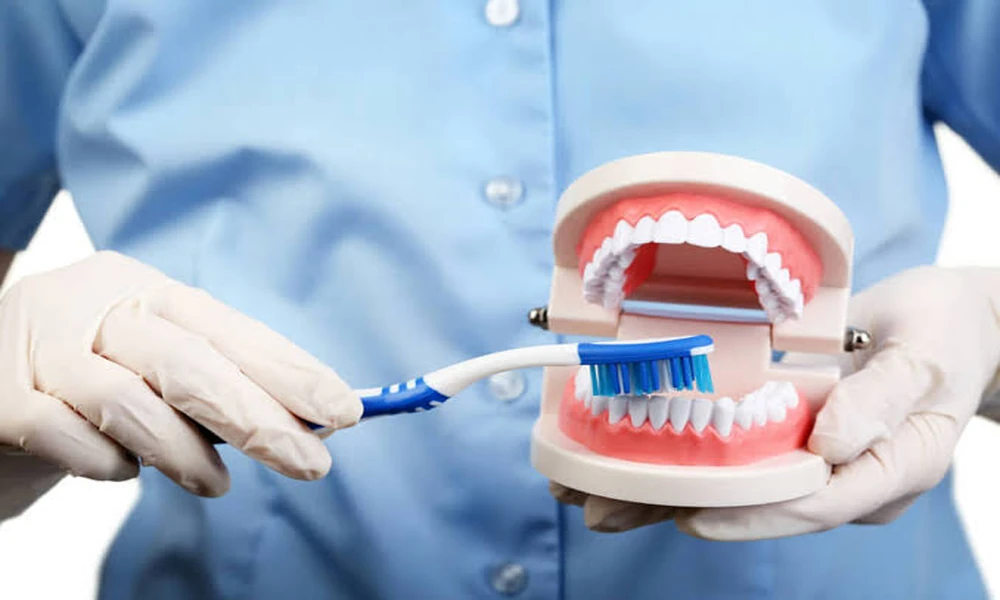
You may already know how this goes. Your child hears the word “dentist,” gets quiet, and then asks if anything will hurt. If fluoride varnish is part of the visit, you might be wondering how to explain it in a way that feels calm and honest. That concern makes sense. Most parents are not looking for a perfect script. A Children’s dentist in San Fernando can help you explain what will happen, why it helps, and that the appointment does not need to turn into a struggle.
Fluoride varnish at the dentist is a quick coating painted onto the teeth to help protect against cavities. It does not involve shots, drilling, or scraping. For most kids, the hardest part is sitting still for a minute and getting used to the feel on their teeth afterward. When you know what to expect, it gets easier to prepare your child and lower the stress around the visit.
Fluoride varnish for kids protects teeth before small problems turn into bigger ones
Children get cavities for all kinds of normal reasons. They are still learning how to brush well. They snack often. Some have deep grooves in their teeth, some take medicines that dry the mouth, and some are simply more cavity prone. A cavity can start small and still lead to pain, missed school, trouble eating, and treatment that feels much bigger than a simple preventive step.
That is why pediatric dental care puts so much weight on prevention. According to the American Academy of Pediatrics, fluoride varnish helps strengthen enamel and lower the risk of decay. The varnish is usually brushed onto the teeth with a small applicator. It sets quickly once it meets saliva, so the process is fast.
Your child may describe it as sticky, fuzzy, or “weird.” That is normal. Some varnishes have a mild taste. The teeth may look a little dull or yellow for the rest of the day, depending on the product used. None of that means something is wrong. It is simply the coating doing its job.
For many families, the stress comes less from the varnish itself and more from the unknown. If your child has had a hard visit before, even something simple can feel loaded. A child who hears “paint on your teeth” may imagine a long procedure. A child who is sensitive to tastes or textures may worry about gagging or not being able to spit. Clear, plain words help more than cheerful overpromises.
The fluoride treatment at the dentist is quick, but preparation changes the whole visit
A good explanation sounds simple because it is simple. You can tell your child that the dentist is going to paint vitamins for the teeth on with a tiny brush. You can say it may feel sticky and they may need to wait a little before eating certain foods. That tends to land better than saying, “It’s nothing,” because kids know when something is being brushed off.
If your child asks whether it hurts, the honest answer is no for most children. It should not hurt. If they ask whether it tastes bad, you can say it may taste different for a minute. If they ask how long it takes, you can say it is over fast. This kind of calm detail gives them something solid to hold onto.
The Centers for Disease Control and Prevention also includes fluoride as part of children’s oral health prevention, along with brushing twice a day with fluoride toothpaste, flossing, healthy eating habits, and routine dental visits. Varnish works best as one piece of a bigger plan. It is not a substitute for home care. It adds protection where brushing and diet still leave risk behind.
Fluoride varnish and home prevention work together in different ways
| Option | What it does | What kids usually notice | Main limitation |
|---|---|---|---|
| Fluoride varnish at a dental visit | Coats teeth with a concentrated fluoride layer to strengthen enamel and help prevent cavities | Quick brushing on teeth, sticky feel, temporary change in tooth appearance | Needs professional application and does not replace daily brushing |
| Fluoride toothpaste at home | Provides daily low dose fluoride exposure during brushing | Familiar routine, mint or mild flavors | Depends on steady brushing habits and proper amount for the child’s age |
| Diet changes and less frequent sugary snacks | Reduces the fuel that cavity causing bacteria use | No procedure at all | Can be hard to maintain with school, sports, and busy schedules |
The American Academy of Pediatric Dentistry supports fluoride use as part of cavity prevention based on a child’s risk level, age, and other factors. Their policy on fluoride therapy in pediatric dental care reflects what many parents see in real life. Some children need more support than others, even in homes where brushing is taken seriously.
Fluoride varnish for children often makes the most sense when a child has early signs of enamel weakness, a history of cavities, orthodontic challenges, or brushing struggles that are still age appropriate. That does not mean you have failed. It means your child’s mouth may need extra protection while they grow into stronger habits.
Simple steps help kids handle a pediatric dentist visit with more confidence
Use plain words before the appointment. Tell your child what they will feel, not just what they should do. “They’ll paint your teeth with a tiny brush” is easier to process than “You need fluoride varnish.” Keep your tone steady. Children borrow their level of concern from you.
Plan the rest of the day around the aftercare. Ask the office what eating and brushing instructions they want you to follow. Many offices recommend waiting a period of time before brushing and choosing softer foods for a few hours. If your child is hungry right after the visit, bring something that fits the instructions so no one melts down in the parking lot.
Build the message around protection, not fear. Avoid saying, “This keeps you from getting holes in your teeth if you don’t brush better.” That can trigger shame or panic. “This helps make your teeth stronger” usually works better. A pediatric dentist wants your child to feel safe enough to keep coming back, because that trust matters as much as the treatment itself.
If your child is heading into a fluoride varnish appointment feeling unsure, that does not mean the visit will go badly. Most kids do well when they know the basic steps and have a parent who stays calm and clear. A short preventive treatment today can help you avoid a much harder conversation later about cavities, fillings, or tooth pain.
When you are ready, schedule a visit with a pediatric dentist and ask how fluoride varnish fits into your child’s cavity prevention plan.
