
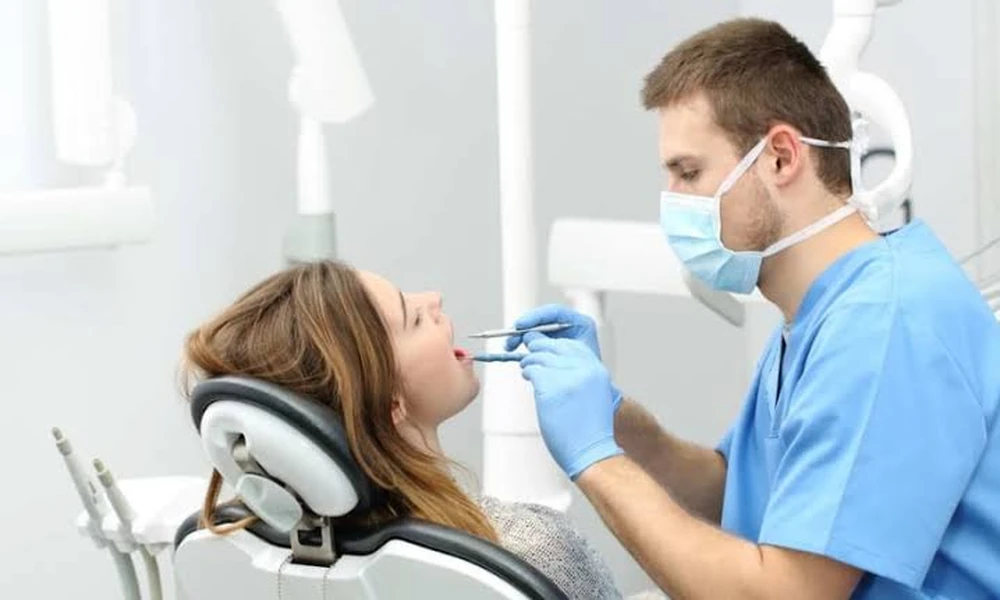
Losing more than one tooth can affect chewing, speaking, appearance, and everyday comfort. There is not one tooth-replacement option for everyone. Depending on the number and location of missing teeth, the health of your remaining teeth and gums, available jawbone, and preferences, a dentist may discuss dental implants, bridges, dentures, or a combination of treatments.
Understanding how these options differ can help you have a productive conversation with your dentist.
Dental Implants: A Stable Foundation
A dental implant is placed into the jawbone and is designed to replace the role of a missing tooth root. After healing, an implant can support a crown, bridge, or denture. If you are missing several teeth, this does not necessarily mean placing one implant for every missing tooth.
Implants can provide a stable foundation without relying on neighbouring natural teeth for support. However, implant treatment involves surgery and healing, so an examination and appropriate imaging are needed to determine whether it is suitable.
For more information, see dental implants in Cambridge.
Dental Bridges: Using Support From Nearby Teeth
A dental bridge replaces one or more missing teeth by connecting artificial teeth to supporting structures. Traditional bridges generally use neighbouring teeth for support, so the condition of those teeth matters.
A bridge may be discussed when the teeth next to the missing space are healthy and strong enough to provide support. A conventional bridge does not require implant surgery. Your dentist can assess whether it is appropriate for your situation.
Dentures: A Removable Option
Dentures are removable appliances designed to replace several missing teeth. Partial dentures can replace some missing teeth, while complete dentures can replace all natural teeth in an arch.
Because dentures are removable, they require a different daily care routine from fixed restorations. Patients who want additional stability may also discuss implant-retained dentures. Cambridge Centre Dental Care offers snap-on dentures retained with implants.
How Do You Compare the Options?
Each option is designed for different circumstances:
- Implants: Usually fixed and supported by implants; may replace multiple teeth or support a bridge or denture.
- Bridges: Usually fixed and commonly supported by neighbouring teeth.
- Dentures: Removable and can replace several teeth or a complete arch.
The choice depends on your oral health, anatomy, treatment goals, maintenance preferences, treatment timeline, and budget. There is no single option that is appropriate for every patient.
What If You Are Missing Most of Your Teeth?
When most or all teeth in an arch are missing, your dentist may discuss a complete denture or an implant-supported full-arch restoration. Cambridge Centre Dental Care offers full-arch implant options, including All-on-4 and All-on-X approaches. The number and position of implants are customized according to the patient’s anatomy and treatment requirements.
Patients who already wear dentures may also consider implant-retained options when they want greater stability while keeping the appliance removable.
Why Your Remaining Teeth and Bone Matter
Tooth replacement planning starts with an assessment of the whole mouth. Your dentist may evaluate your remaining teeth and gums, available jawbone, bite, and ability to maintain the proposed restoration.
Bone changes can occur after tooth loss. If bone loss affects an area being considered for an implant, bone grafting may sometimes be discussed. This is not required for every patient.
Cost and Treatment Planning
When comparing options, consider the complete treatment rather than only the initial cost. Ask about examinations and imaging, preparatory treatment, the restoration, follow-up care, and maintenance.
Cambridge Centre Dental Care recommends requesting an insurance predetermination for significant treatment so you can better understand expected coverage before treatment. Financing options are also available.
A Consultation Can Narrow Down the Choices
If you are missing several teeth, you do not need to decide on a treatment before your appointment. Ask your dentist:
- Which teeth should be replaced?
- Are my remaining teeth and gums healthy enough to support a restoration?
- Do I have enough bone for implants?
- Would a bridge, partial denture, or implant-supported option be suitable?
- How long would each option take?
- What maintenance would each require?
- What is the total cost?
Frequently Asked Questions
Can dental implants replace multiple missing teeth?
Yes. Implants can replace multiple teeth and may support a bridge or larger restoration. The number and position depend on your anatomy and treatment plan.
Do I need one implant for every missing tooth?
Not necessarily. Implants can sometimes support a bridge or other restoration.
Can I get implants if I have bone loss?
Possibly. Bone loss does not automatically rule out implants, but it may affect the treatment plan. Some patients may need bone grafting.
Can implants support dentures?
Yes. Implant-retained dentures can provide additional support while remaining removable for cleaning.
Final Thoughts
When several teeth are missing, start with a thorough dental assessment rather than choosing a treatment based on one factor alone. The number and position of missing teeth, the condition of your remaining teeth and gums, available bone, preferences, treatment timeline, maintenance needs, and budget can all influence the options.
A consultation at Cambridge Centre Dental Care can help you understand which tooth-replacement options may be appropriate for your situation.
