
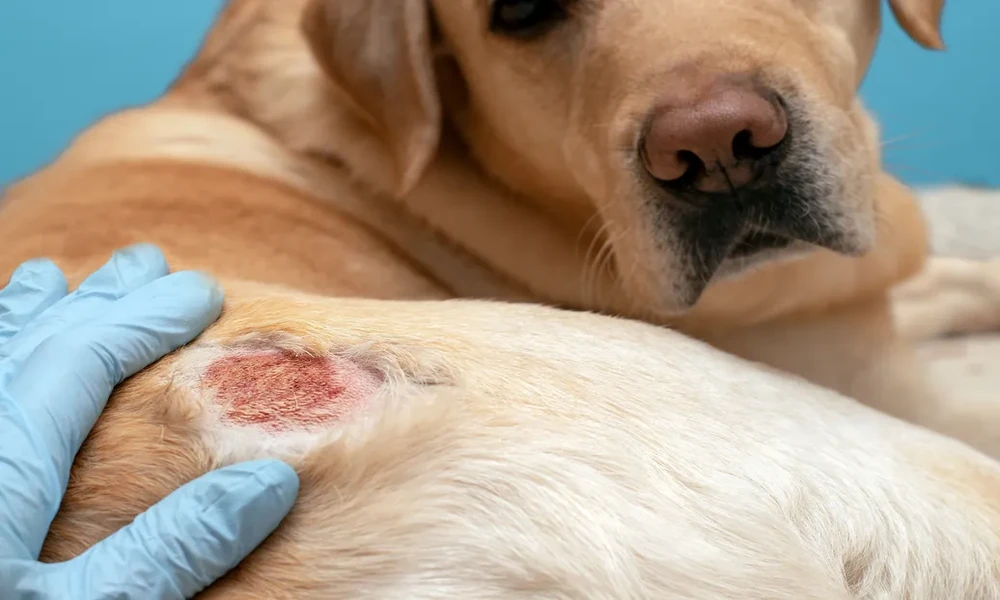
It usually starts small. Your dog keeps licking the same paw. Your cat scratches at the ears every night. You change the food, wash the bedding, watch for fleas, and still the itching keeps going. At some point, it stops feeling like a minor nuisance and starts taking over your routine, your sleep, and your patience. You are not overreacting. Pet allergies can be stubborn, messy, and expensive when the cause is not clear, which is why seeing a veterinarian near Rancho Santa Fe can help you identify the source and find relief.
How General Veterinarians Address Allergies In Pets often comes down to something simple but easy to miss. Allergies are not one single problem. They can show up through the skin, ears, paws, stomach, or all of them at once. A general veterinarian helps sort out what looks like an allergy, what is actually an infection or parasite issue, and what needs longer term control. That step saves time, money, and a lot of discomfort for your pet.
General veterinarians sort through the most common causes first
When pets are itchy, many owners assume food is the cause. Sometimes it is, but not as often as people think. Flea allergy dermatitis, environmental allergies, skin infections, and ear disease are all common reasons a pet seems miserable. According to the LSU School of Veterinary Medicine overview on pet allergies, pets can react to pollen, mold, dust mites, fleas, and ingredients in food, and the signs often overlap.
This is where a general veterinarian becomes the first and most useful filter. Instead of guessing, your vet looks at patterns. Is the itching seasonal or year round. Is your pet shaking the head, chewing the feet, rubbing the face, or dealing with diarrhea too. Has there been a recent move, a new treat, a missed flea preventive, or repeated ear infections. Those details matter because allergy care is rarely about one dramatic test on day one. It is usually about ruling out the common things that can mimic each other.
If your pet has red skin and a bad odor, the allergy may not be the whole story. Secondary yeast or bacterial infections often build on top of the underlying issue, and those infections make itching much worse. Treating the infection without addressing the allergy leads to a short stretch of relief, then the cycle returns. Treating only the allergy while ignoring infection leaves your pet uncomfortable. A general veterinarian handles both sides at once.
Pet allergy treatment often starts with practical medicine, not guesswork
Pet allergy treatment usually begins with a physical exam, skin and ear checks, and a review of diet and parasite control. Your vet may recommend strict flea prevention even if you have not seen fleas. That can feel frustrating, especially when you are sure the problem is food or grass. The reason is simple. One or two flea bites can trigger major itching in a sensitive pet, and fleas are easy to miss.
Food allergies take patience. There is no shortcut around a proper elimination diet. Blood and saliva tests sold for food sensitivity can sound appealing, but they do not replace a controlled diet trial. A general veterinarian can help you choose a prescription or limited ingredient diet, explain how strict the trial has to be, and track whether your pet’s skin, ears, and digestion improve. The UC Davis guide to allergies in pets explains that diagnosis often depends on history, exam findings, and careful rule outs rather than one simple screening test.
Environmental allergies can be even more frustrating because you cannot remove pollen or dust from the world. In those cases, a general veterinarian may build a management plan that includes medicated shampoos, ear care, anti itch medication, infection treatment, diet support, and referral to a veterinary dermatologist if symptoms stay severe. That is the real value of allergy care for pets. It is structured, layered, and adjusted over time.
Home remedies and veterinary care do not carry the same risk
| Approach | What it may help with | Limits and risks |
|---|---|---|
| Bathing with pet safe shampoo | Removes allergens from skin and coat, may calm mild irritation | Wrong products can dry the skin or worsen irritation |
| Changing food without a plan | May seem like a fast fix if you suspect food allergy | Usually does not prove anything, treats and flavored meds can ruin the trial |
| Over the counter itch products | Can offer short relief in some cases | May mask infection, some human products are unsafe for pets |
| General veterinarian exam and treatment plan | Identifies likely cause, treats infections, starts flea, food, or environmental control | May require follow up visits and a step by step process |
| Dermatology referral | Useful for severe, chronic, or unclear allergy cases | Higher cost, often used after first line care has been tried |
A lot of owners lose months trying one change at a time at home. New food one week, supplements the next, then a different shampoo, then stopping all of it because nothing seems to work. Meanwhile, the pet gets another ear infection or keeps chewing the paws raw. A general vet helps stop that drift and turns random trial and error into an actual plan.
Small, immediate steps can make pet allergy treatment more effective
Track the pattern. Write down when the itching happens, what body areas are involved, what your pet eats every day, and any treats or flavored preventives. Include photos of flare ups. That record helps your veterinarian see whether the problem points more toward food, fleas, or the environment.
Get strict about flea control and diet. If your vet recommends monthly prevention or an elimination diet, follow it closely. One missed dose or a few table scraps can blur the picture and keep your pet uncomfortable longer.
Treat follow up visits as part of the fix. Allergy cases change. Ears may improve before paws do. Skin may calm down while the stomach still acts up. Follow ups give your veterinarian a chance to adjust medications, check for infection, and decide whether your pet needs more advanced testing or referral.
General veterinarian care gives allergic pets a workable path forward
Allergy problems can make you feel like you are always one step behind, cleaning ears again, buying another bag of food, wondering why your pet is still scratching. There is a path through it. A general veterinarian can narrow the cause, treat what is making the itching worse right now, and build a plan your household can actually follow. If your pet has ongoing skin, ear, or stomach issues, schedule a visit for general veterinarian care and get a clearer answer before the cycle gets harder to break.
