
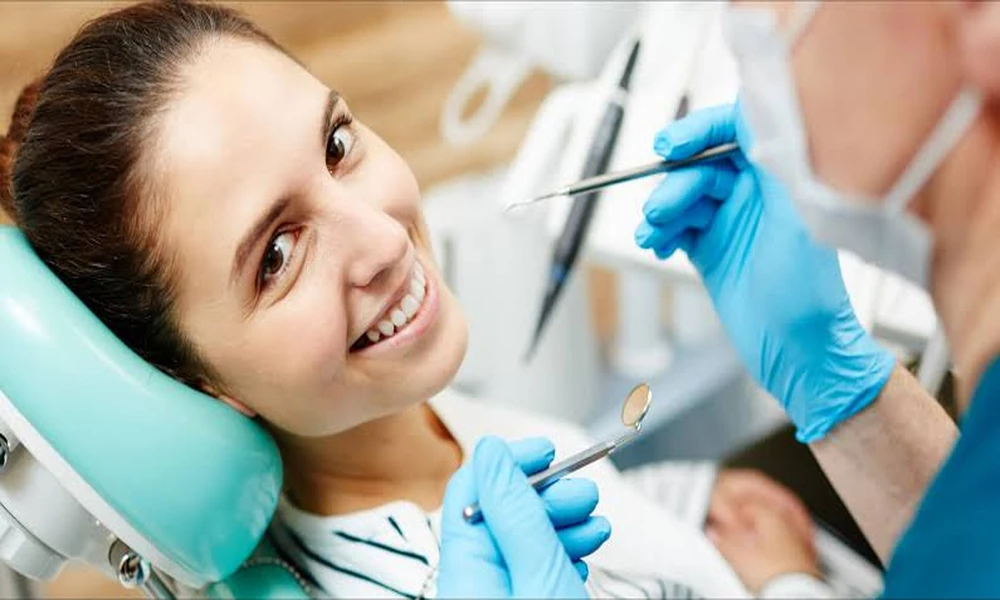
You may be watching a parent avoid meals because chewing hurts, or seeing a loved one grow anxious at the thought of a dental visit. Sometimes the change is subtle. Missed cleanings turn into broken teeth, dry mouth, gum pain, or dentures that no longer fit. Sometimes the challenge is bigger, with dementia, Parkinson’s disease, stroke recovery, or mobility limits making basic oral care hard to manage. In these situations, finding a mobile dentist for special needs dental care in San Jose can make care more accessible and less stressful. The problem is not only dental. It affects comfort, nutrition, sleep, speech, and dignity.
How Special Needs Dental Services Support Aging Populations comes down to one simple truth. Older adults often need more than a standard appointment can offer. They may need extra time, a calmer setting, modified equipment, help with communication, and a care plan that fits medical conditions and daily realities. A special needs dentist helps bridge that gap, making care safer and more realistic for seniors who cannot fit neatly into a routine dental model.
Older Adults Face Oral Health Problems That Build Quickly
Aging changes the mouth, and chronic illness often adds pressure. Many seniors take medications that reduce saliva, which raises the risk of cavities, mouth sores, and trouble swallowing. Arthritis can make brushing and flossing painful. Memory loss can lead to skipped routines. If someone wears dentures, even a small fit issue can cause sore spots that make eating miserable.
The data reflects what families already see at home. The National Institute of Dental and Craniofacial Research shares research on tooth decay in seniors showing that dental caries remain a real concern in older age. This is not a minor issue. Untreated decay and gum disease can lead to infection, weight loss, and avoidable hospital visits.
That is where specialized dental care for seniors matters. A provider trained to treat patients with cognitive, physical, or developmental needs understands that resistance to care is often fear, pain, confusion, or sensory overload. They do not treat the appointment like a race. They adjust the pace, explain each step clearly, and work with caregivers instead of around them.
Special Needs Dental Services Reduce Stress for Seniors and Caregivers
A routine dental office can feel overwhelming when an older adult has hearing loss, memory impairment, tremors, or a strong fear of treatment. You may have already tried to schedule care and left feeling defeated. The forms were too long, the staff seemed rushed, or the patient could not tolerate the chair long enough to finish the visit. That experience often causes families to delay care again, which usually makes the next problem harder and more expensive.
Dental care for aging adults with disabilities works better because it starts with the whole person. A special needs dentist may coordinate with physicians, review medication side effects, plan shorter visits, or use techniques that lower distress. If a patient cannot describe pain well, the dentist looks for behavioral clues, changes in eating, facial expressions, and caregiver observations. That kind of attention can catch problems earlier.
Families also benefit from practical guidance. A caregiver may need to know which toothbrush handle is easiest for arthritic hands, how to clean around bridges or implants, or what to do when brushing triggers agitation in someone with dementia. Good care does not end when the visit is over. It gives you a plan you can actually follow at home.
Special Needs Dentist Support Improves Daily Health
Oral health is tied closely to daily function. Painful teeth can push an older adult toward soft, low-protein foods, which can weaken overall health. Missing teeth can affect speech and confidence. Infections can spread fast in a body already managing heart disease, diabetes, or a weakened immune system. The National Institute of Dental and Craniofacial Research offers helpful oral health guidance for older adults that shows how closely mouth health and general health are connected.
A general dentist can provide excellent care for many patients. Still, there are times when a more tailored approach is the safer one. If an older adult has severe anxiety, limited mobility, advanced dementia, uncontrolled medical conditions, or difficulty cooperating during treatment, standard care may not be enough. A provider offering special needs dental services is better equipped to adapt treatment without turning every visit into a crisis.
Comparison Points That Matter in Real Life
| Care Situation | Standard Dental Visit | Special Needs Dental Services |
|---|---|---|
| Patient with dementia | May struggle with long explanations, unfamiliar routines, and sensory stress | Uses shorter visits, simple communication, caregiver input, and pacing that lowers agitation |
| Patient with arthritis or tremors | Home care advice may stay general and hard to apply | Offers adaptive tools and realistic brushing and denture care strategies |
| Patient taking many medications | Dry mouth and drug interactions may be missed or under-addressed | Reviews health history closely and plans prevention around medication side effects |
| Patient with mobility limits | Transfers and chair positioning can be stressful or unsafe | Adapts equipment, timing, and physical support needs for safer treatment |
| Caregiver burden | Often leaves with broad instructions and little support | Provides home care coaching, warning signs to watch for, and a care plan that fits daily life |
Small Steps Can Prevent Bigger Problems
Schedule an evaluation before there is an emergency.
Pain is not always obvious in older adults, especially when memory or communication is affected. A preventive visit gives the dentist time to learn the patient’s needs, review medications, and catch problems before they turn into infections, broken teeth, or eating issues.
Bring a full health and medication list.
This includes prescription drugs, over-the-counter products, and supplements. Dry mouth, bleeding risk, sedation concerns, and healing issues often connect directly to medical history. The more complete the picture, the safer the dental plan.
Create a home care routine that matches the person’s abilities.
If flossing is not realistic, ask for alternatives. If brushing causes distress, change the time of day, the toothbrush style, or the approach. Consistency matters more than perfection. A routine that can actually be repeated is the one that protects health.
Supportive Dental Care Helps Older Adults Keep Comfort and Dignity
Getting older does not mean accepting constant mouth pain, poor nutrition, or fear around dental care. The right support can make treatment calmer, more respectful, and far more effective. If someone you love is struggling with oral health and standard appointments have not worked, seeking a special needs dentist is a practical next step. The goal is simple. Less pain, safer care, and a daily life that feels easier to manage.
