
A healthy smile supports daily confidence. Proper tooth alignment also improves oral function. But every treatment choice differs. The right solution depends on individual needs. orthodontist in Minot, ND can explain suitable treatment options through careful evaluation. Now each patient can understand the benefits before beginning treatment. A trusted clinic like Prestwich Orthodontics also focuses on personalized planning for comfortable and lasting smile improvements.
Understanding Traditional Braces
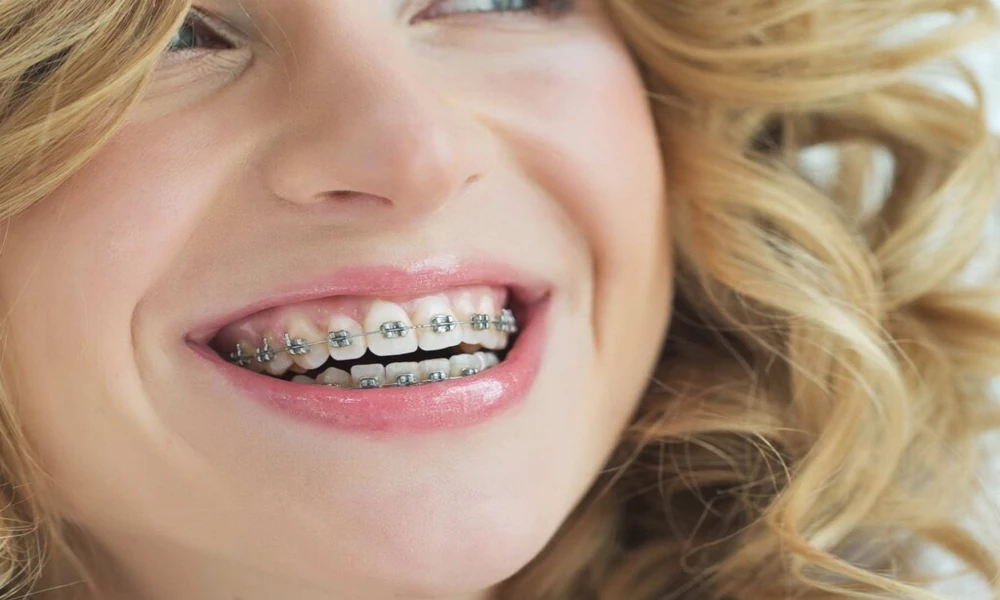
Traditional braces have served patients for decades. Strong brackets guide steady tooth movement. Metal wires create controlled pressure throughout treatment. Complex alignment problems often respond very well. Deep bite correction becomes more predictable. Large spacing issues also improve steadily. Sometimes treatment needs greater control for reliable movement. Braces remain fixed throughout the process. Daily cooperation becomes less demanding because appliances stay attached. The experienced team at Prestwich Orthodontics carefully monitors every adjustment and supports healthy progress during each appointment.
Learning About Clear Aligners
Clear aligners offer a modern appearance. Smooth trays fit comfortably over teeth. They remain nearly invisible during conversations. Many adults appreciate discreet treatment options. Eating becomes easier after removal. Brushing also feels more convenient each day. But consistent wear remains extremely important. Missed wearing time slows expected progress. Mild and moderate alignment concerns often respond successfully with properly designed aligners. Careful treatment planning creates predictable movement while maintaining comfort throughout the complete orthodontic journey.
Comparing Comfort and Daily Lifestyle
Comfort often influences treatment decisions. Braces may cause brief soreness. Soft tissues usually adjust quickly. Clear aligners generally create smoother contact surfaces. Regular cleaning habits remain essential for success. Food choices also differ between treatments. Hard snacks require greater attention with braces. Aligners allow normal eating after removal. So personal habits become important during treatment selection because consistent routines strongly support successful long term orthodontic results. Prestwich Orthodontics explains these lifestyle differences before treatment begins, helping every patient choose with greater confidence.
Treatment Results and Long-Term Benefits
Every smile deserves thoughtful planning. Both treatments improve dental alignment. Better positioning supports healthier cleaning habits. Balanced bites reduce unnecessary tooth pressure. Proper alignment may improve speech clarity. Jaw function often becomes more comfortable. Now long-lasting stability depends upon careful retention after active treatment finishes.
FAQ
Can Treatment Plans Change After They Begin?
Yes. Orthodontic plans sometimes require careful adjustments when teeth respond differently than originally expected during movement.
Does Tooth Shape Influence Aligner Effectiveness?
Certain tooth shapes may require additional attachments because they improve grip and create more controlled tooth movement.
Can Previous Dental Work Affect Treatment Choices?
Crowns bridges and other restorations may influence appliance selection because careful protection remains an important treatment priority.
Why Are Retention Plans Different Between Patients?
Retention depends upon bite stability tooth movement history and individual oral conditions because every completed treatment remains unique.
