
Key Highlights
- Managing a sensitive nose requires a combination of environmental control and consistent medical management.
- Dust mites are the primary trigger for nasal allergies in Singapore due to the high humidity levels.
- Regular nasal irrigation helps clear allergens and irritants from the nasal passages naturally.
- Consulting a professional ENT clinic is essential for identifying specific triggers through allergy testing.
- Modern immunotherapy offers a long-term solution by desensitising the immune system to common allergens.
Introduction
Living with a sensitive nose allergy can feel like an uphill battle, especially in a tropical environment where triggers are present throughout the year. For many individuals, symptoms like persistent sneezing, a runny nose, and itchy eyes are not just seasonal nuisances but daily challenges that affect focus and energy. In Singapore, the combination of high humidity and urban pollution creates a perfect storm for respiratory sensitivities. Understanding how to navigate these triggers is the first step toward reclaiming your comfort. While over-the-counter remedies provide temporary relief, a more holistic approach is often required to manage the condition effectively over the long term. By implementing strategic lifestyle changes and seeking professional guidance from an ENT clinic in Singapore, you can significantly reduce the frequency and severity of your allergic reactions.
Utilising Air Filtration Systems
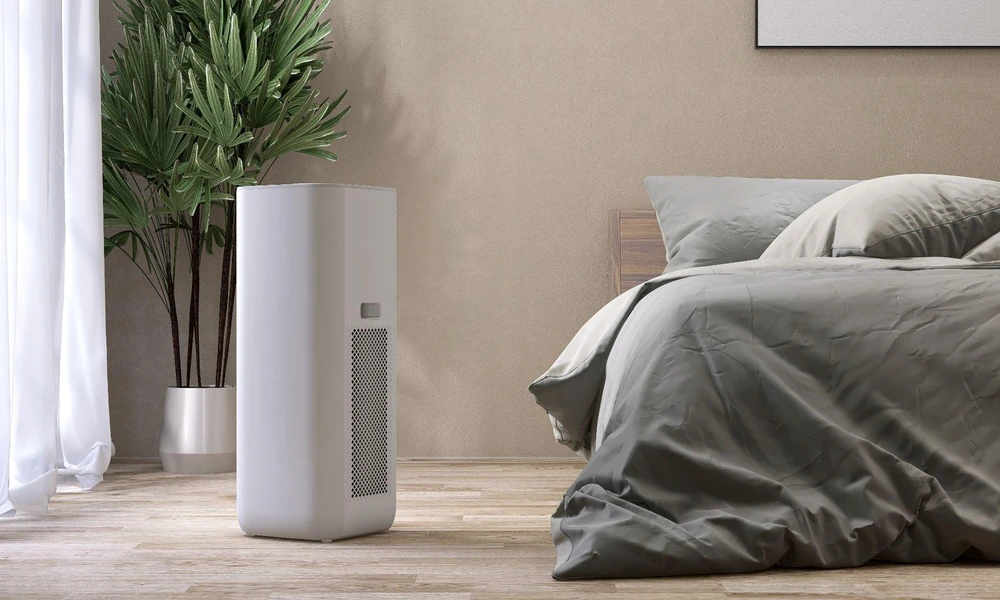
Urban living often exposes us to fine particulate matter and pollutants that can aggravate a sensitive nose. High-efficiency particulate air (HEPA) purifiers are excellent tools for maintaining indoor air quality. These devices are designed to capture microscopic particles, including pollen, pet dander, and smoke, which often trigger allergic rhinitis. It is particularly beneficial to run an air purifier in the bedroom overnight to ensure you breathe clean air while resting. Additionally, during periods of haze or high pollution, keeping windows closed and relying on filtered air can prevent a flare-up. Consistency is key when using these systems; regular maintenance and filter replacements are necessary to ensure the device remains effective at trapping irritants.
Adopting a Daily Nasal Hygiene Routine
Nasal irrigation is a simple yet highly effective method for managing allergy symptoms without relying solely on medication. Using a saline rinse or a neti pot helps to physically wash away allergens, mucus, and irritants that have become trapped in the nasal lining. This practice moisturises the nasal passages and improves the function of the cilia, which are the tiny hairs responsible for clearing debris from your airway. Many patients find that performing a saline rinse once or twice a day reduces their dependence on antihistamines. It is a natural approach that is safe for long-term use and provides immediate cooling relief to an inflamed or itchy nose.
Minimising Indoor Allergen Exposure
The most common culprit for a sensitive nose allergy in local households is the house dust mite. These microscopic organisms thrive in warm, humid environments, making Singaporean bedrooms an ideal breeding ground. To combat this, you should invest in high-quality allergen-proof covers for mattresses and pillows. Washing bed linens in hot water at least once a week effectively kills mites and removes their waste products. Furthermore, reducing clutter such as carpets, heavy curtains, and plush toys can prevent dust from accumulating. Maintaining indoor humidity levels below 50% using a dehumidifier or air conditioning can also inhibit the growth of mould and dust mites, creating a cleaner breathing environment for your sensitive nasal passages.
Seeking Targeted Medical Treatment
While lifestyle adjustments are foundational, medical intervention is often necessary for moderate to severe cases. An ENT clinic in Singapore can offer advanced diagnostic tools to pinpoint what is causing your reactions. Skin prick tests or blood tests can identify specific sensitivities to dust mites, grasses, or pet fur. Based on these results, a specialist can prescribe a combination of intranasal corticosteroids and antihistamines tailored to your needs. For those seeking a more permanent solution, Sublingual Immunotherapy (SLIT) is an innovative option. This treatment involves placing drops or tablets under the tongue to gradually build up the body’s tolerance to specific allergens, potentially providing lasting relief for years.
Conclusion
A sensitive nose allergy does not have to dictate your daily life or prevent you from enjoying your activities. By combining environmental vigilance with proactive medical care, you can maintain clear nasal passages regardless of the season. The key lies in understanding your triggers and being consistent with your management routine. From improving your home’s air quality to exploring the latest in immunotherapy, there are numerous paths to relief. If your symptoms persist despite your best efforts, professional help is readily available. Taking action today can lead to better sleep, improved productivity, and a much higher quality of life in Singapore’s vibrant, humid climate.
For expert diagnosis and long-term relief from nasal sensitivities, contact Dr Dennis Chua today.
