
You might already know the feeling. A little tooth sensitivity turns into worry, or you catch yourself smiling with your lips closed because you are not quite sure what is happening with your teeth or gums. For many people, dental problems do not begin with a dramatic moment. They begin quietly, with missed cleanings, rushed brushing, or small symptoms that seem easy to put off. If you are looking for a Southeast Portland cosmetic dentist, taking action early can help prevent bigger problems later. Then one day, the cost, discomfort, and stress feel much bigger than expected.
That is where How Preventive Dentistry Contributes To A Confident, Healthy Smile becomes more than a nice idea. It is a practical way to protect your comfort, lower the chance of painful problems, and help you feel better when you speak, eat, and smile. In simple terms, preventive care means taking steady steps now so you are less likely to face major treatment later.
Why does preventive dental care matter so much when life gets busy?
When your schedule is full, it is easy to treat oral health like something that can wait. The trouble is that cavities, gum irritation, and enamel wear rarely pause just because you are busy. They tend to build slowly, which makes them easy to miss and harder to ignore later.
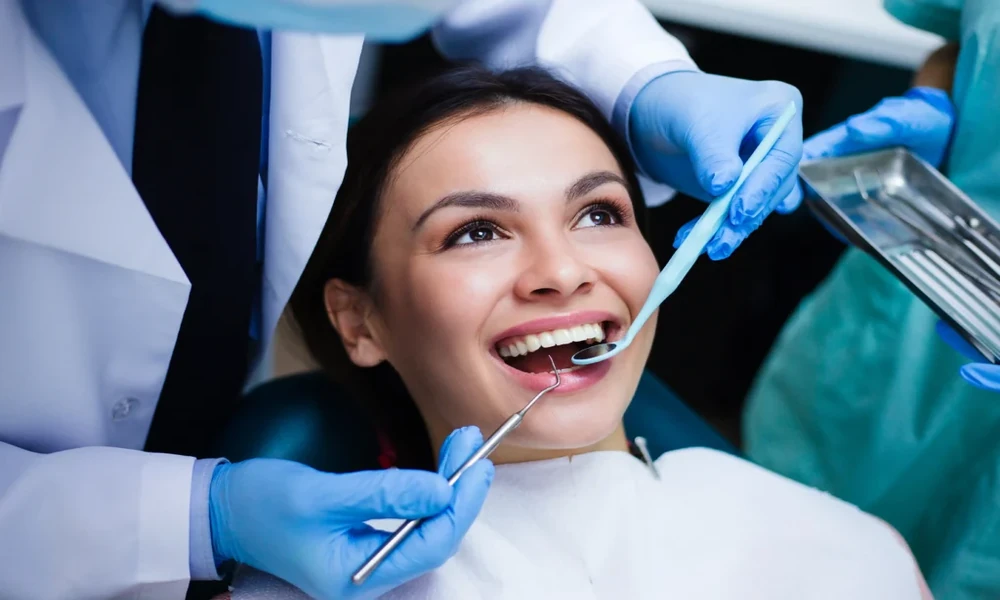
Because of this, you might wonder whether regular checkups and cleanings really make that much difference. In many cases, they do. Preventive visits can catch plaque buildup, early decay, gum inflammation, and bite issues before they turn into pain or expensive procedures. That matters not only for your mouth, but for your confidence too. When your teeth feel clean and your breath feels fresh, you are more likely to smile without thinking twice.
Good habits at home matter just as much. The National Institute of Dental and Craniofacial Research shares practical guidance on oral hygiene, including brushing twice a day with fluoride toothpaste and cleaning between teeth daily. Those small routines may seem ordinary, yet they are often what stand between a minor issue and a major one.
What can happen when small dental issues are ignored?
A bit of bleeding when you brush might not seem urgent. Mild sensitivity to cold drinks may feel manageable. But those early signs can point to problems that grow over time. A cavity that could have been treated with a simple filling may deepen. Gum irritation can move toward gum disease. A cracked tooth can worsen under daily pressure from chewing.
This is where preventive dental care helps shift the story. Instead of waiting until something hurts, you create chances to catch trouble early. That often means less discomfort, less time in the chair, and fewer financial surprises. For families, it can also set a pattern children carry into adulthood. They learn that caring for teeth is not about reacting to pain. It is about protecting health before pain starts.
The Centers for Disease Control and Prevention offers oral health tips for adults that reinforce this approach, from daily home care to regular dental visits and smart diet choices. The message is clear. Prevention is not extra. It is the foundation.
How does preventive dentistry support a healthy smile over time?
A healthy smile is not only about appearance, though that matters too. It is also about strong teeth, healthy gums, fresh breath, and the ability to eat and speak comfortably. Preventive services from a family and cosmetic dentist often include exams, professional cleanings, X rays when needed, fluoride treatments, sealants in some cases, and guidance tailored to your habits and risks.
So, where does that leave you if your teeth seem fine right now? In a better position than you may think. Prevention works best when nothing feels wrong yet. That is often when your dentist can spot patterns you may not notice, such as grinding, receding gums, early wear, or changes in the tissues of your mouth.
There is also a public health reason to stay consistent. The Healthy People oral health objectives from the Office of Disease Prevention and Health Promotion show an ongoing national focus on reducing tooth decay and gum disease and improving access to care. You can learn more through these oral health objectives. The larger point is simple. Prevention is a proven part of long term health, not just a personal preference.
What is the difference between waiting for pain and staying ahead of problems?
The table below gives a simple side by side view of what preventive care often looks like compared with delay based care.
| Approach | What It Often Includes | Likely Outcome |
|---|---|---|
| Preventive dentistry | Routine exams, cleanings, early cavity checks, gum monitoring, home care guidance | Earlier detection, lower risk of major treatment, steadier oral health, more confidence in your smile |
| Waiting until pain appears | Emergency visits, treatment after damage has progressed, less predictable timing | More discomfort, higher costs, more time needed for treatment, added stress |
This is why oral health prevention is often the less stressful path. It does not promise perfection, and it cannot stop every issue, but it does give you a stronger chance of staying ahead of problems instead of chasing them.
What can you do right now to protect your smile?
1. Get honest about your current habits. If you have been skipping flossing, postponing cleanings, or brushing too fast, you are not alone. Start with one change you can keep. Brush for two full minutes twice a day and clean between your teeth daily.
2. Pay attention to small signs. Sensitivity, bleeding gums, dry mouth, bad breath, or jaw tension are worth noticing. They may not mean something serious, but they do mean your mouth is asking for attention. Acting early is often easier than fixing a larger problem later.
3. Schedule preventive visits before there is pain. This is one of the most useful steps you can take. A family and cosmetic dentist can help you track changes, clean areas that are hard to reach at home, and build a plan that fits your age, risk level, and goals.
Could a confident smile start with prevention rather than repair?
For many people, yes. Confidence often grows from knowing you are taking care of yourself in a steady, realistic way. You do not need to wait for a dental emergency to start making progress. Small preventive choices made now can protect your comfort, your appearance, and your peace of mind later.
If you have been putting off care, this can be your moment to reset. Reach out to a trusted provider for preventive support from a family and cosmetic dentist and take the next step toward a healthier, more confident smile.
