
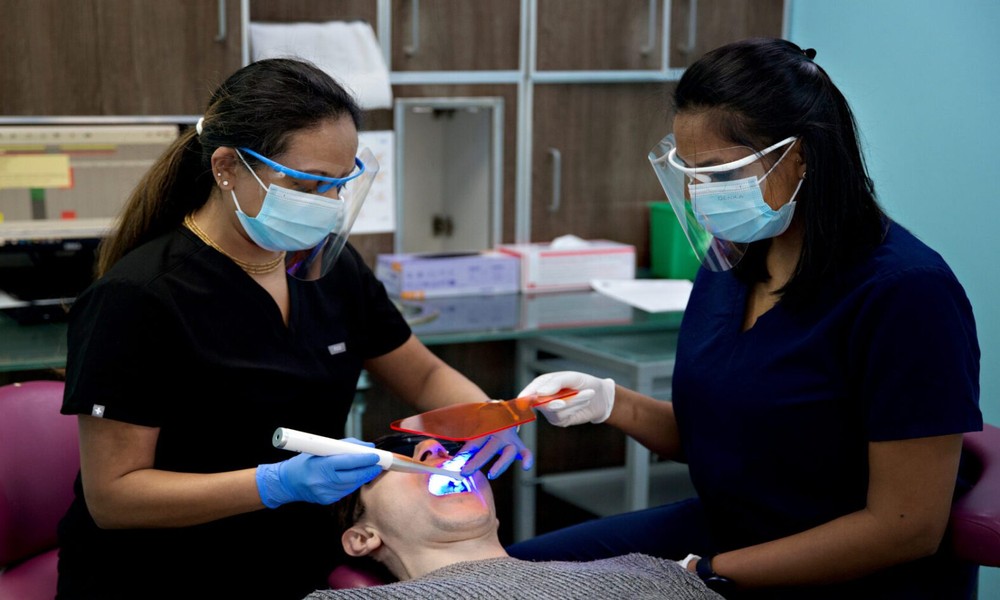
One of the first questions many patients ask when considering Invisalign treatment is, “How long will it take to straighten my teeth?” While everyone wants to achieve their ideal smile as quickly as possible, the answer depends on several important factors, including the complexity of the case, the amount of tooth movement required, and how closely patients follow their treatment plan.
If you’re researching Invisalign In Milton Keynes, understanding the typical treatment timeline can help you set realistic expectations and feel more confident about beginning your smile transformation journey.
In this guide, we’ll explain how Invisalign works, how long treatment usually takes, what factors influence treatment times, and what you can do to achieve the best possible results.
What Is Invisalign?
Invisalign is a modern teeth straightening treatment that uses a series of custom-made clear aligners to gradually move teeth into their ideal positions.
Each aligner is carefully designed using advanced digital technology and is worn for a specific period before being replaced by the next aligner in the sequence.
- Virtually invisible
- Removable
- Comfortable to wear
- Easy to clean
- Designed around your lifestyle
This combination of convenience and effectiveness has made Invisalign one of the most popular orthodontic treatments available today.
How Long Does Invisalign Usually Take?
The average Invisalign treatment time typically ranges between:
- 6 to 18 months for many patients
- Up to 24 months for more complex cases
- As little as 3 to 6 months for minor cosmetic adjustments
Every smile is unique, so treatment times can vary considerably from one patient to another.
During your consultation, your dentist will assess your teeth and create a personalised treatment plan that provides a more accurate estimate of how long your treatment is likely to take.
Why Do Treatment Times Vary?
Several factors influence how quickly Invisalign can achieve the desired result.
The most important factors include:
- The complexity of the case
- The amount of tooth movement required
- Patient compliance
- Treatment refinements
- Individual biological response
Let’s explore each of these in more detail.
The Complexity Of Your Orthodontic Case
One of the biggest factors affecting Invisalign treatment time is the complexity of the orthodontic issue being treated.
Minor Cases
Patients requiring only small cosmetic improvements may experience relatively short treatment times.
Examples include:
- Small gaps
- Mild crowding
- Slight tooth rotations
- Minor alignment corrections
These cases can often be completed within several months.
Moderate Cases
Moderate orthodontic concerns usually require a longer treatment period.
Examples may include:
- Noticeable crowding
- Larger spacing issues
- Multiple rotated teeth
- Mild bite corrections
These treatments commonly take between 12 and 18 months.
Complex Cases
More advanced orthodontic problems generally require additional planning and longer treatment durations.
Examples include:
- Significant crowding
- Severe spacing
- Overbite correction
- Underbite correction
- Crossbite treatment
Complex cases may take 18 to 24 months or longer depending on the specific treatment goals.
How Invisalign Moves Teeth
Many patients wonder why teeth cannot simply be moved more quickly.
The answer lies in biology.
Invisalign works by applying gentle, controlled pressure to move teeth gradually through the surrounding bone and tissues.
Moving teeth too quickly could compromise oral health and treatment stability.
The Invisalign system is carefully designed to balance efficiency with safety, ensuring teeth move predictably while maintaining healthy supporting structures.
This gradual process is one of the reasons Invisalign achieves such reliable long-term results.
How Often Do You Change Aligners?
Most patients change to a new set of aligners every one to two weeks, depending on their treatment plan.
Each new aligner introduces small, carefully planned tooth movements that gradually guide the teeth towards their final positions.
The total number of aligners required depends on:
- Treatment complexity
- Number of teeth being moved
- Desired outcome
Patients with more aligners generally require longer treatment times.
The Importance Of Wearing Your Aligners
One of the biggest advantages of Invisalign is that the aligners can be removed when eating, drinking, brushing, and flossing.
However, this flexibility also means treatment success depends heavily on patient commitment.
For optimal results, aligners should generally be worn for:
- 20 to 22 hours per day
Patients who fail to wear their aligners consistently may experience:
- Delayed tooth movement
- Extended treatment times
- Reduced treatment predictability
- Additional refinement requirements
Following your dentist’s instructions carefully is one of the most effective ways to keep treatment on schedule.
When Will I Start Seeing Results?
One of the most exciting aspects of Invisalign treatment is that many patients begin noticing changes relatively early.
While every case is different, visible improvements may often become noticeable within the first few months.
Patients commonly observe:
- Improved tooth alignment
- Reduced crowding
- Smaller gaps
- Increased smile confidence
Because Invisalign works gradually, many patients enjoy seeing their smile improve step by step throughout treatment.
What Are Invisalign Refinements?
In some cases, additional aligners may be required after the initial treatment plan is completed.
These additional aligners are known as refinements.
Refinements allow your dentist to make small adjustments and ensure the final result meets treatment goals.
Refinements may be recommended if:
- Teeth have not moved exactly as planned
- Additional improvements are desired
- Minor corrections remain
Although refinements can slightly extend treatment time, they help optimise the final result and are often considered a valuable part of the treatment process.
Digital Treatment Planning And Predicted Timelines
One of Invisalign’s greatest advantages is its sophisticated digital treatment planning technology.
Before treatment begins, detailed digital scans are taken of your teeth and used to create a customised treatment plan.
This technology enables your dentist to:
- Visualise tooth movement
- Estimate treatment duration
- Monitor progress accurately
- Predict final outcomes
Patients often appreciate being able to see a digital simulation of their expected smile transformation before treatment even starts.
Can Invisalign Be Faster Than Traditional Braces?
In some situations, Invisalign can achieve results in a shorter timeframe than traditional braces.
This is particularly true for patients requiring mild to moderate cosmetic improvements.
Benefits of Invisalign may include:
- Efficient tooth movement
- Precise digital planning
- Fewer emergency appointments
- Predictable treatment progression
However, treatment speed ultimately depends on the individual case rather than the type of appliance alone.
Both Invisalign and braces can achieve excellent outcomes when planned and managed correctly.
What Happens After Invisalign Treatment?
Once your teeth have reached their desired positions, treatment does not simply end.
Retainers are typically provided to help maintain the new alignment and prevent teeth from gradually moving back towards their original positions.
Wearing retainers as instructed is essential for protecting your investment and preserving your results long-term.
Many patients find the final stage of treatment just as important as the active alignment process itself.
Start Your Invisalign Journey In Milton Keynes
The length of Invisalign treatment depends on your individual smile, treatment goals, and orthodontic needs. While some patients achieve their desired results within a matter of months, others may require longer treatment to address more complex concerns.
The good news is that Invisalign provides a comfortable, discreet, and highly effective way to straighten teeth while fitting around modern lifestyles.
If you’re considering Invisalign In Milton Keynes, booking a consultation is the best way to receive a personalised treatment assessment and understand exactly what timeline may be involved for your unique smile. With the right treatment plan and commitment to wearing your aligners, a straighter and more confident smile could be closer than you think.
