
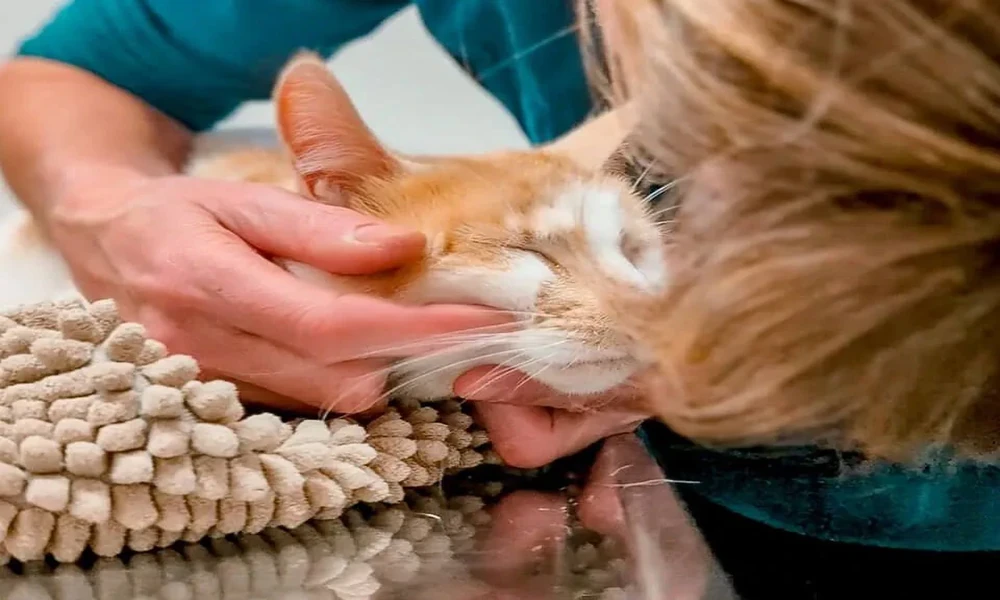
You may be trying to breed a valued dog, cat, horse, or livestock animal and finding that nothing about the process feels simple. Timing slips, cycles seem off, pregnancy is uncertain, and every decision carries weight because health, cost, and hope are all tied together. When reproduction does not go as planned, the stress builds fast, and working with a veterinarian in Lakeland can help you make informed choices. You are not just managing breeding dates. You are trying to protect an animal you care about while avoiding preventable loss.
That is where veterinary reproductive care becomes more than a niche service. A veterinary hospital can help with fertility testing, breeding timing, pregnancy management, semen evaluation, high risk deliveries, and newborn support. Good care lowers guesswork, catches problems earlier, and gives you a clearer path whether your goal is conception, a safe pregnancy, or help deciding when breeding should stop.
Veterinary hospitals reduce uncertainty in breeding care
Breeding often looks straightforward from the outside. Pair the animals, track the cycle, wait for pregnancy. The reality is less forgiving. A female may not ovulate when expected. A male may have poor semen quality with no obvious signs at home. An infection, hormonal issue, uterine problem, or inherited condition can interrupt the process long before anyone sees it.
You might be feeling pressure to keep trying because each cycle feels like another chance. That pressure can lead to repeated breedings without knowing whether the problem is timing, fertility, anatomy, or underlying disease. The result is more expense, more disappointment, and in some cases more risk to the animal.
Veterinary hospitals support breeding and fertility services by replacing guesswork with testing and monitoring. That may include progesterone testing to pinpoint ovulation, vaginal cytology, ultrasound, semen collection and analysis, genetic screening, and reproductive exams. Specialty programs such as Cornell’s reproductive medicine services show how hospitals can manage both routine breeding plans and more difficult fertility cases.
The same support matters after conception. Pregnancy is not a passive waiting period. Some animals need close monitoring for fetal development, maternal health, litter size, or delivery planning. If a mother has a history of dystocia, pregnancy loss, or breed related delivery issues, a hospital team can prepare for intervention before an emergency starts. That changes outcomes.
Reproductive medicine helps before, during, and after pregnancy
Breeding care at a veterinary hospital usually starts before breeding ever happens. A pre breeding exam can uncover problems that would otherwise surface only after failed attempts. A male with low motility or abnormal sperm count may need treatment, rest, or removal from a breeding plan. A female with uterine disease or cycle irregularities may need medical management before breeding is even considered.
During the breeding window, timing matters enough that being off by a day or two can waste an entire cycle. This is one of the most common places owners and breeders lose time and money. A hospital with theriogenology support can track fertility markers and guide natural breeding, chilled semen use, or artificial insemination decisions. Iowa State’s reproduction and theriogenology service reflects the kind of specialized care many veterinary hospitals now offer.
After breeding, care shifts again. Pregnancy confirmation by ultrasound, fetal counts by imaging later in gestation, maternal nutrition review, and delivery planning all help reduce preventable crises. If a newborn litter is weak, fails to nurse, or shows congenital concerns, fast hospital support can protect both the young and the mother.
This work also connects to larger animal health research. The USDA’s animal reproduction programs highlight how reproductive science continues to shape fertility management, pregnancy support, and herd or breeding population outcomes. That matters whether you own one animal or manage many.
Professional reproductive care changes the risk and cost equation
Some owners try to handle most of the process at home to save money. That can work for cycle tracking at a basic level, but home observation has limits. Animals do not announce hormonal changes, silent infections, sperm defects, or fetal distress in ways that are easy to read. Delayed care often costs more than early testing because failed cycles, emergency surgery, neonatal loss, and treatment of advanced illness are expensive.
| Approach | What It Usually Includes | Common Risks | Likely Benefit |
|---|---|---|---|
| Home monitoring only | Behavior tracking, calendar timing, visual signs | Missed ovulation, poor breeding timing, undetected fertility issues | Lower upfront cost |
| Basic veterinary breeding support | Physical exam, cycle testing, pregnancy confirmation | May miss advanced issues if no specialty follow up occurs | Better timing and earlier problem detection |
| Hospital based reproductive care | Fertility workup, semen analysis, imaging, pregnancy monitoring, delivery planning | Higher upfront cost | Lower guesswork, clearer diagnosis, stronger emergency readiness |
The best choice depends on the animal’s age, breeding history, species, and medical risk. A young healthy animal with no history of loss may need less support than an older breeding female, a valuable sire, or an animal with prior fertility failure. The point is not to medicalize every case. It is to know when simple monitoring stops being enough.
Clear steps help you move forward without more guesswork
Schedule a pre breeding evaluation. Do this before the next cycle if possible. Ask for a reproductive exam, cycle assessment, and discussion of breed specific or species specific risks. If the animal has had failed breedings, bring records with dates, prior test results, medications, and pregnancy history.
Track facts, not just impressions. Write down heat dates, behavior changes, breeding dates, discharge, appetite, and prior litter outcomes. If a male is involved, record collection dates, fertility findings, and any illness or stress around breeding. Patterns become easier to see when they are documented.
Make a delivery and emergency plan early. Know where you will go if labor stalls, a newborn is weak, or a cesarean becomes necessary. Ask the hospital what warning signs should trigger an immediate call. This step alone can save hours when time matters most.
Veterinary hospitals give breeding decisions more clarity
Reproduction can bring hope, pride, and real anxiety, often all at once. You do not have to sort through failed timing, uncertain pregnancy, or delivery risk on your own. Animal breeding support through a veterinary hospital gives you medical insight, practical planning, and help when things shift quickly.
If you are preparing for breeding, dealing with fertility concerns, or managing a pregnancy with added risk, contact a veterinary hospital and ask about reproductive and breeding care services.
