
Key Takeaways
A herniated disc can lead to intense pain, tingling, and numbness in either the arms or legs. Symptoms may range from sharp pain during movement to ongoing discomfort that just won’t quit.
Several factors contribute to herniated discs among New Yorkers. A lifestyle that leans towards inactivity, poor posture, heavy lifting, aging, obesity, genetics, and smoking all play a part in the problem.
Physical therapy remains a proven non-surgical approach for treating herniated discs. Its focus on strengthening back muscles, enhancing flexibility, and improving posture often yields excellent results.
Advanced treatments such as manual therapy and spinal decompression therapy can significantly alleviate nerve pressure. Some patients experience recovery accelerations by 30-50% with these methods.
Stories of patient success highlight the importance of personalized treatment plans and alternative therapies, demonstrating their effectiveness in achieving substantial recovery and enhancing functionality.
The treatment journey for someone dealing with a herniated disc typically begins with a thorough evaluation, followed by the development of a customized treatment plan and ongoing assessments to track progress.
Selecting a local specialist who possesses relevant experience and demonstrates patient-centered care is essential for achieving effective recovery from herniated discs, especially in a bustling city like Manhattan.
Understanding Herniated Discs: Symptoms and Causes
What Are the Common Signs of a Herniated Disc?
A herniated disc can lead to an array of symptoms that can confuse many. The typical signs include intense pain, tingling sensations, and occasional numbness, particularly manifesting in the arms or legs. This nerve pain may start at one point and radiate elsewhere, highlighting how the disc affects nearby nerves. Sharp pain might arise during movement, coughing, or sneezing, while others could face chronic discomfort, resulting in a continuous dull ache.
Beyond these physical symptoms, mental and emotional challenges often accompany the condition. Many individuals find themselves feeling frustrated or anxious about their situation. The relationship between physical and emotional struggles is significant; battling the pain of a herniated disc can easily feel overwhelming. Therefore, recognizing symptoms early on is paramount for effective management.
What Factors Lead to Herniated Discs in NYC Residents?
New Yorkers frequently encounter a fast-paced lifestyle, which often leads to increased instances of herniated discs. Various factors contribute to this trend. A sedentary job can lead to poor posture, putting unnecessary pressure on spinal structures. On the other hand, heavy lifting or repetitive physical tasks common in certain professions can raise the risk just as much.
Additional contributing elements include:
- Age: Disc degeneration is a natural process that occurs over time.
- Obesity: Excess body weight can put strain on the back.
- Genetics: Family history can increase susceptibility.
- Smoking: It diminishes spinal nutrition, elevating risks.
By understanding these contributing factors, patients can avoid situations that worsen their condition. Awareness can serve as an effective first line of defense.
Innovative Non-Surgical Treatments for Herniated Discs
How Does Physical Therapy Alleviate Herniated Disc Pain?
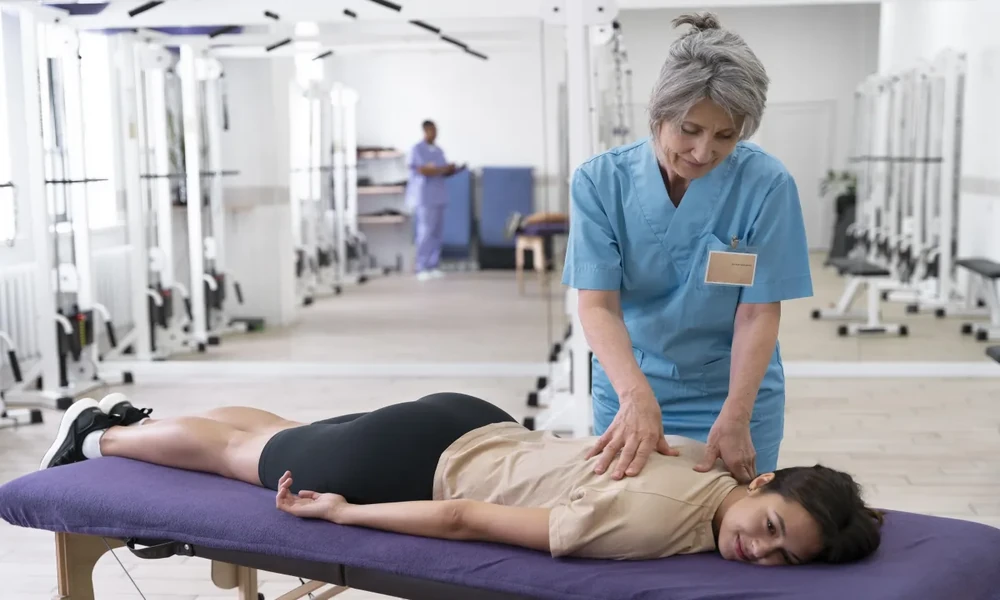
Physical therapy emerges as an effective non-surgical option for numerous individuals suffering from herniated discs. Through targeted exercises aimed at strengthening the back, many patients discover noteworthy relief. The principle is straightforward: stronger muscles supporting the spine equate to less stress on the discs. Focus tends to be on core stabilization, improved flexibility, and posture enhancement.
Moreover, physical therapists implement a variety of modalities, including heat, ice, and electrical stimulation, to further alleviate discomfort. These methods can enhance mobility while decreasing inflammation. Patients often notice significant functional improvements, enabling them to return to their daily life with renewed vitality.
Which Latest Techniques Can Accelerate Recovery?
Modern medicine increasingly adopts new techniques to improve recovery outcomes. Manual therapy has been gaining traction, centering on hands-on manipulation of soft tissues surrounding the spine. This approach helps release tension in tight muscles, thus alleviating pain. Certain clinics throughout New York even offer innovative treatments like spinal decompression therapy, creating negative pressure in the discs, which assists in retraction and decreases nerve pressure.
Regenerative therapies, such as platelet-rich plasma (PRP) injections and stem cell treatments, are also gaining attention. Although these options remain somewhat experimental, patients in search of cutting-edge solutions may find them appealing. Ongoing research into their effectiveness continues, with initial findings indicating positive outcomes.
Data suggests that innovative treatment techniques can reduce recovery time by 30-50% for some patients.
Patient Success Stories: Transforming Lives with Expert Care
Real-Life Cases: Overcoming Herniated Disc Challenges
Success stories from patients can offer hope to those facing similar struggles. Take Jenny, for instance. This 35-year-old graphic designer from Manhattan found her symptoms sidelining her for months. Once she sought physical therapy specifically tailored to her conditions, she achieved an impressive 80% relief within just six weeks. The personalized treatment met her needs, aiding her in regaining functionality.
Mark, a construction worker, exemplifies another inspiring case. He faced debilitating pain radiating from his lower back that kept him from working. Traditional treatments fell short, leading him to pursue alternatives. A blend of physical therapy and manual manipulation allowed Mark to return to work, stronger and more knowledgeable about body mechanics.
These compelling success stories highlight the real potential for recovery when exploring diverse treatment pathways tailored for each patient’s unique circumstances.
What Patients Can Expect During Their Treatment Journey
Navigating the treatment journey for a herniated disc involves several stages. Initially, patients typically endure a comprehensive evaluation, which may include assessments and imaging studies as necessary. This step helps healthcare professionals curate an effective treatment plan. Then, the focus shifts towards pain management, restoring movement, and improving overall function.
- Initial Consultation: Gain insight into the specific condition.
- Development of a Treatment Plan: Craft personalized goals based on the patient’s lifestyle.
- Regular Progress Assessments: Ensure the treatment remains effective, with adjustments made as necessary.
Throughout this progression, communication between patient and provider holds critical importance. Patients should feel empowered to voice their concerns and share experiences, ultimately leading to a more robust treatment strategy.
Choosing the Right Specialist: Finding the Best Care in NYC
What to Look for in a Herniated Disc Treatment Provider?
In the search for the perfect provider for herniated disc treatment, patients should bear specific criteria in mind. Credentials and experience stand out as non-negotiable aspects. Professionals often advise choosing specialists with considerable experience in treating similar cases and advanced certifications. A provider’s reputation for patient-centered care can make a tremendous impact.
- Accreditations: Confirm certifications and licenses.
- Experience: Seek out providers specializing in non-surgical interventions.
- Reviews: Look for patient testimonials to gain real insights.
Finding a specialist who actively listens and adapts is critical for a smooth recovery journey. It’s important to remember that the working relationship with a care provider is just as vital as the treatments they provide.
Why Choosing Local Experts Matters for Recovery
Navigating life in Manhattan presents distinct advantages when seeking effective manhattan herniated disc treatment and care for herniated discs. Local experts typically possess a keen understanding of the unique demands and challenges faced by NYC residents. They not only recognize lifestyle factors that may exacerbate issues but also devise tailored solutions that fit within city living.
Moreover, local providers often offer greater accessibility, featuring flexible appointment schedules designed around busy lifestyles. Quick access to consultations and treatments can significantly impact recovery times. While distance should never act as a barrier to quality care, having a specialist nearby can provide that extra bit of peace of mind.
In the end, dedicating time to choose the right specialist can lead to favorable outcomes. In Manhattan, patients generally have access to experts who genuinely grasp their needs when it comes to herniated disc care and long-term recovery support.
FAQ
Can lifestyle changes help prevent herniated discs?
Absolutely. Engaging in regular exercise, maintaining a healthy weight, and adopting good posture can greatly diminish the risk of developing herniated discs. Professionals indicate that strengthening core muscles proves particularly effective, as this provides necessary stability to the spine and minimizes strain during daily activities.
What role does nutrition play in spine health?
Nutrition plays a pivotal role in overall spinal health. A balanced diet rich in vitamins and minerals supports tissue repair and curbs inflammation. Experts suggest incorporating foods abundant in omega-3 fatty acids, antioxidants, and calcium to promote healthier discs and better recovery outcomes.
How often should one attend physical therapy sessions?
The frequency of physical therapy sessions varies depending on individual needs and treatment plans. Many professionals recommend attending sessions two to three times a week during the initial treatment phase. As improvements are noticed, this frequency might be adjusted, with some patients moving on to an independent exercise regimen.
Are there non-invasive imaging methods for diagnosing herniated discs?
Yes, non-invasive imaging techniques like MRI and CT scans are often employed to visualize herniated discs. These methods enable healthcare providers to assess the severity of the condition without the risks linked to invasive procedures. Accurate imaging assists in devising an appropriate treatment plan tailored to patient requirements.
What can patients do at home to support their recovery?
Patients play a crucial role in their own recovery process. Engaging in recommended exercises, applying heat or ice as necessary, and maintaining proper posture at home can greatly assist recovery efforts. Experts also suggest practicing relaxation techniques to help manage both pain and stress, creating a healing-friendly environment.
How long can one expect recovery to take?
Recovery timelines for herniated discs vary considerably among individuals. Many patients notice improvements within a few weeks to months, particularly with diligent adherence to treatment plans. However, more complex cases may take longer. Regular communication with healthcare providers will help set realistic expectations during the recovery journey.
What alternative therapies might enhance recovery?
Patients frequently explore alternative therapies, including acupuncture, chiropractic adjustments, or yoga. Each of these options holds potential for relief and may enhance overall recovery experiences. While research backing for all alternative methods isn’t extensive, many individuals report positive outcomes and improved well-being after engaging in these therapies.
Is it advisable to delay treatment for a herniated disc?
Delaying treatment for a herniated disc is generally unadvised. Early intervention frequently leads to better outcomes, potentially preventing symptoms from worsening. Prolonged pain and discomfort can disrupt daily activities and ultimately make recovery more challenging, emphasizing the importance of seeking timely care.
Useful Resources
- Mayo Clinic – Comprehensive information on herniated discs and treatment options.
- Spine-Health – Educational resources focused on spine health, featuring articles related to herniated discs and related conditions.
- National Center for Biotechnology Information (NCBI) – Research articles and clinical studies concerning herniated disc treatments and medical advancements.
- American Physical Therapy Association – Guidelines and resources pertinent to physical therapy treatments relevant to spine issues.
- American Academy of Orthopaedic Surgeons – Resources on orthopedic care, including information about spine disorders and available treatments.
- WebMD – Health information that explores symptoms, diagnosis, and treatment options for herniated discs.
- Chiro.org – Insights into chiropractic treatments and research related to herniated discs.
- American Academy of Orthopaedic Surgeons’ Spine Section – Specialized insights concerning spine health and the management of spine-related conditions.
